Ticks are small blood-feeding parasites that can affect people, pets, wildlife and outdoor areas. Around Hervey Bay and coastal Queensland, ticks are most often associated with gardens, lawns, bushy blocks, shaded areas, wildlife movement, pet bedding and outdoor spaces where animals or people regularly pass through.
Ticks are not insects. They are arachnids, which means they are more closely related to spiders and mites. Adult ticks have eight legs, while younger larval ticks may be much smaller and harder to see.
Some tick bites only cause local irritation, but others can cause more serious reactions. The Australian paralysis tick is especially important in eastern Australia because it can affect people, dogs, cats and other animals.
How to Identify Ticks
Ticks can be difficult to notice because they are small, flat before feeding and often attach in hidden areas.
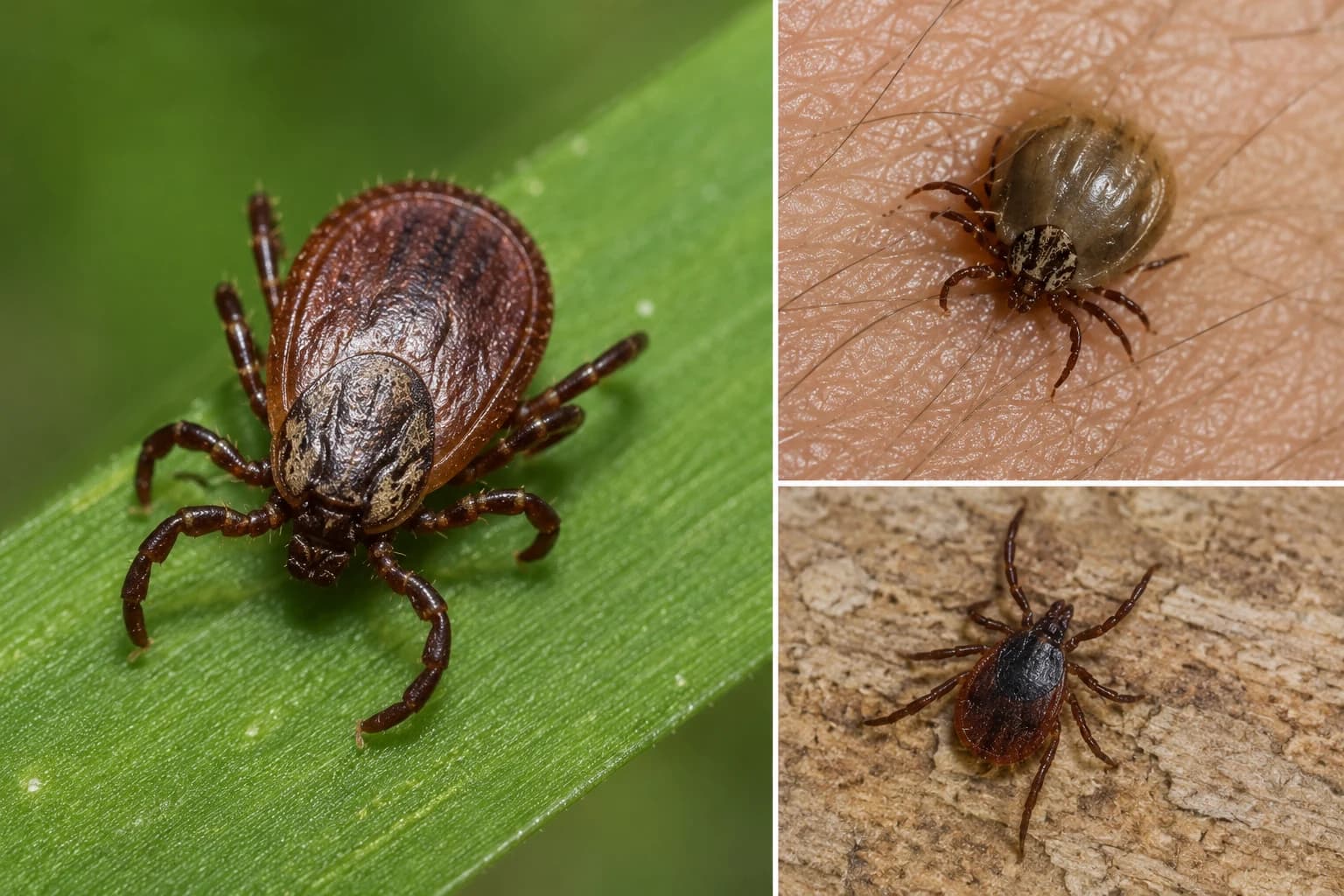
Common tick identification features include:
- Small, rounded or oval body
- Eight legs in nymph and adult stages
- Flat body before feeding
- Swollen body after feeding
- Brown, grey, reddish-brown or darker colouring depending on the species and feeding stage
- Found attached to skin, pet fur, clothing, bedding, grass, leaves or outdoor surfaces
- Often picked up after walking through grass, gardens, bushland or shaded vegetation
Ticks may attach to people or pets and remain in place while feeding. They can be found around the scalp, neck, ears, armpits, groin, waistline, behind knees, between toes and other warm or protected areas.
On pets, ticks are often found around the head, neck, ears, chest, shoulders, between toes and under collars.
Common Tick Types in Queensland
Australian Paralysis Tick
The Australian paralysis tick is the most important tick species to be aware of in coastal eastern Australia. It is found along parts of Australia’s east coast and can bite people, dogs, cats, livestock and wildlife.
How to identify paralysis ticks:
- Often greyish, bluish-grey or light brown when engorged
- Small and flat before feeding
- Body swells as it feeds
- Legs are clustered toward the front of the body
- May be difficult to see before it becomes enlarged
Where they are usually found:
- Coastal and humid areas
- Bushy gardens
- Long grass
- Leaf litter
- Shaded vegetation
- Wildlife corridors
- Pet resting areas
- Around properties visited by bandicoots, possums, wallabies or other wildlife
Why they are a concern:
Paralysis ticks can cause serious illness in pets and, in some cases, people. Reactions can include local swelling, allergic reactions and paralysis symptoms. Seek medical advice for people and veterinary advice for pets if there are concerning symptoms.
If someone has trouble breathing, collapses or shows signs of a severe allergic reaction after a tick bite, call Triple Zero (000).
Brown Dog Tick
Brown dog ticks are commonly associated with dogs and kennel environments. They are more pet-focused than many other ticks and may be found where dogs rest, sleep or spend time.
How to identify brown dog ticks:
- Reddish-brown to brown body
- Small before feeding, larger after feeding
- Often found on dogs
- May be found in kennels, bedding, cracks, walls or sheltered dog areas
Where they are usually found:
- Dog bedding
- Kennels
- Outdoor pet areas
- Cracks and crevices near pet resting areas
- Sheds or shaded spots
- Around yards where dogs regularly rest
Why they are a problem:
Brown dog ticks can irritate pets and may build up where dogs spend time. A tick issue around dogs should be handled with both environmental treatment and veterinary tick prevention advice.
Bush Ticks
Bush ticks are commonly picked up in grassy, bushy and rural-style environments. They can affect livestock, pets and people who spend time outdoors.
How to identify bush ticks:
- Small brown tick
- May be found on animals or people after contact with grass or vegetation
- Can appear similar to other ticks without close identification
- Often noticed after outdoor activity
Where they are usually found:
- Long grass
- Paddocks
- Bush edges
- Gardens near wildlife activity
- Rural and semi-rural properties
- Outdoor work areas
Why they are a problem:
Bush ticks can bite people and animals and may cause irritation. Correct identification matters because different tick species carry different risks.
Cattle Ticks
Cattle ticks are more relevant to livestock and rural properties than normal residential pest control. They are an important agricultural and biosecurity concern in Queensland.
How to identify cattle ticks:
- Usually found on cattle or livestock
- Can become engorged after feeding
- More relevant to farms, rural holdings and livestock movement
- Identification may require professional or agricultural advice
Where they are usually found:
- Cattle properties
- Rural blocks
- Livestock areas
- Paddocks
- Areas with animal movement
Why they are a concern:
Cattle ticks can affect livestock health and are managed under agricultural and biosecurity requirements. If livestock are involved, follow Queensland biosecurity and veterinary guidance rather than treating the issue as a standard household pest problem.
Common Signs of Tick Activity
Tick problems are often noticed after people or pets spend time outdoors.
Common signs include:
- Ticks found attached to people or pets
- Pets scratching, licking or seeming unsettled
- Small lumps felt while checking pet fur
- Ticks found in bedding, kennels or outdoor resting areas
- Increased tick finds after rain, warm weather or garden growth
- Tick bites after walking through grass, bushland or shaded vegetation
- Ticks found around lawns, garden edges, sheds or bushy property boundaries
- Wildlife activity around the property, such as possums, bandicoots or wallabies
Tick numbers can increase when warm, humid conditions support their survival and when suitable host animals are present.
Why Ticks Are a Problem Locally
Hervey Bay and the Fraser Coast have many conditions that can support tick activity: warm weather, humidity, gardens, coastal vegetation, wildlife corridors, shaded yards and outdoor pets.
Ticks can be a concern locally because they may:
- Bite people and pets
- Cause itching, swelling and irritation
- Trigger allergic reactions in some people
- Affect dogs and cats, especially if paralysis ticks are involved
- Be brought into the home on pets, clothing or outdoor gear
- Persist around shaded gardens, long grass and pet resting areas
- Reappear when wildlife or untreated pet areas remain active
Ticks are especially important for pet owners. Dogs and cats should be checked regularly and kept on vet-recommended tick prevention.
Tick Bite Safety
Tick bites should be taken seriously.
For people:
- Seek medical advice if symptoms develop after a tick bite
- Watch for swelling, rash, increasing pain, fever, weakness or allergic symptoms
- Call Triple Zero (000) if someone collapses, has trouble breathing or shows signs of a severe allergic reaction
- Follow current health advice for tick removal and bite management
For pets:
- Contact a vet urgently if your pet shows weakness, wobbliness, vomiting, breathing changes, voice changes, coughing, gagging, paralysis symptoms or unusual behaviour
- Use vet-recommended tick prevention
- Check pets daily during high-risk periods
- Pay special attention to the head, neck, ears, chest, shoulders, paws and under collars
NoTrace can help with environmental tick reduction around suitable outdoor areas, but medical and veterinary concerns should always be handled by the appropriate health professional.
Prevention Tips
Tick prevention is about reducing exposure, checking regularly and making the property less attractive to ticks and host animals.
Practical steps include:
- Keep lawns mowed
- Reduce long grass around high-use areas
- Clear leaf litter where practical
- Trim dense vegetation near paths, patios and pet areas
- Keep pet bedding clean and dry
- Avoid letting pets sleep in tick-prone garden areas
- Use vet-recommended tick prevention for dogs and cats
- Check pets after outdoor activity
- Wear protective clothing when gardening or walking through bushy areas
- Check clothing, socks, shoes and skin after being outdoors
- Reduce clutter around sheds, fences and shaded garden edges
- Discourage wildlife access to pet food and rubbish
For properties backing onto bushland, creeks, dense gardens or wildlife corridors, tick prevention may need to be ongoing.
Professional Tick Treatment
Professional tick treatment focuses on reducing tick pressure in key outdoor areas where ticks are likely to rest, wait for hosts or be picked up by people and pets.
A tick treatment may include:
- Inspection of lawns, gardens, pet areas and shaded zones
- Identifying likely tick harbourage areas
- Treatment of suitable outdoor resting areas
- Advice on lawn, vegetation and leaf litter management
- Recommendations for pet areas and outdoor bedding
- Guidance on reducing reinfestation risk
- Follow-up planning where tick pressure is high
Treatment is usually most useful around high-risk zones such as pet areas, shaded garden edges, long grass, fence lines, outdoor seating areas, sheds and bushy property boundaries.
NoTrace Pest Control provides tick treatment across Hervey Bay and the Fraser Coast for suitable residential, rental and commercial properties.
Need Help With Ticks?
If you are finding ticks on pets, around outdoor areas, near gardens or after spending time in the yard, NoTrace can inspect the property and recommend a treatment plan.
Tick control works best when professional treatment is combined with lawn maintenance, vegetation management, regular pet checks and vet-recommended pet prevention.