Mosquitoes are one of the most common outdoor biting pests in Queensland. Around Hervey Bay and the Fraser Coast, mosquito activity can be linked to warm weather, rainfall, coastal conditions, gardens, pot plants, drains, containers, blocked gutters, shaded vegetation, wetlands, creeks and outdoor entertaining areas.
Mosquitoes are more than just a nuisance. Some species can spread mosquito-borne diseases, and even non-disease-carrying mosquitoes can make patios, yards, accommodation areas and outdoor business spaces unpleasant to use.
NoTrace Pest Control provides mosquito treatment across Hervey Bay and the Fraser Coast for suitable homes, rental properties, outdoor areas, accommodation providers and commercial sites.
How to Identify Mosquitoes
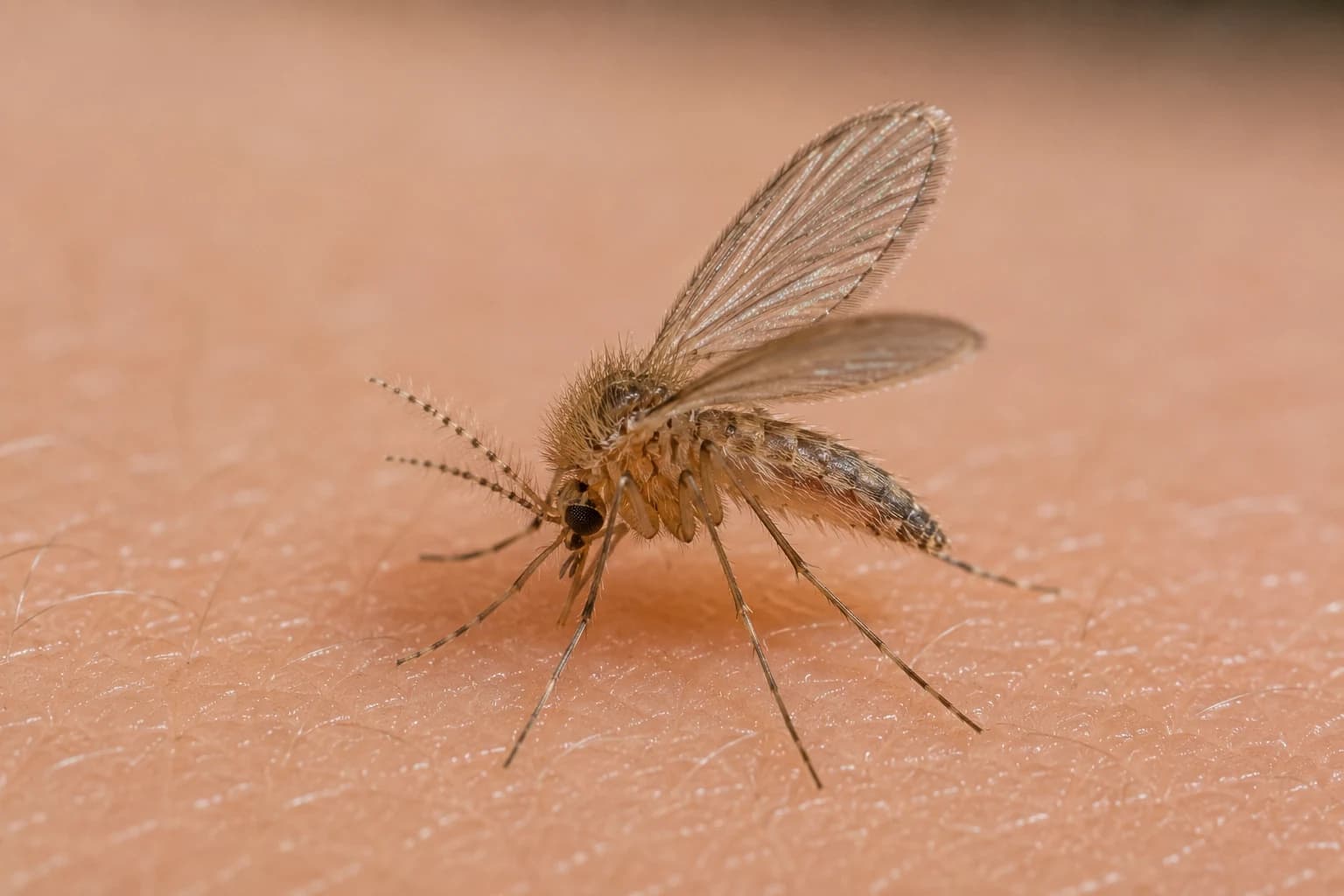
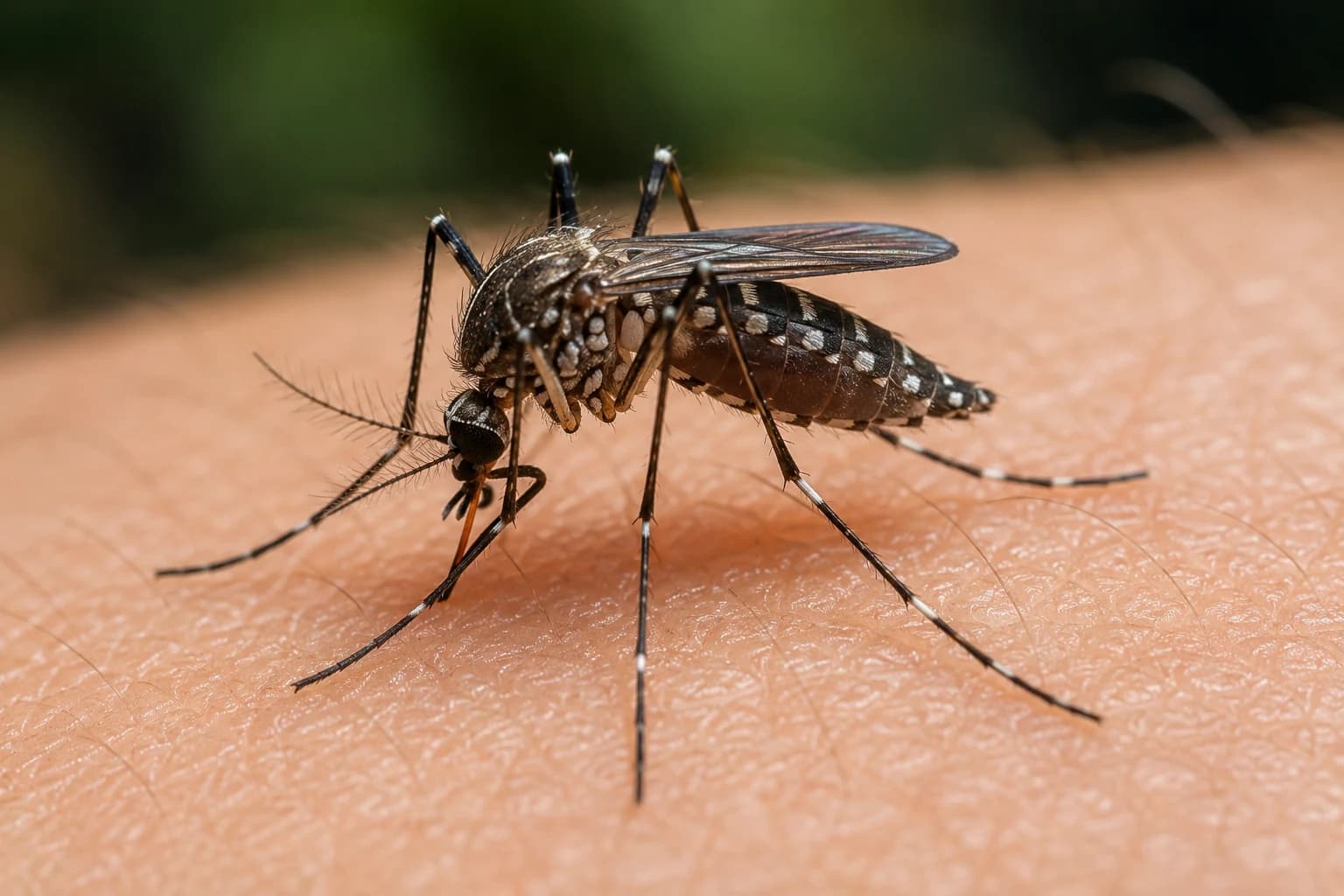
Mosquitoes are small flying insects with long legs, narrow bodies and a long piercing mouthpart called a proboscis. Only female mosquitoes bite because they need blood to develop eggs.
Common mosquito identification features include:
- Small flying insect
- Long thin legs
- Narrow body
- Long proboscis
- Delicate wings
- Often active around dawn, dusk, night or shaded areas depending on the species
- Bites that may become itchy, red or swollen
- Breeding in still or stagnant water
- Larvae, often called “wrigglers” are visible in standing water
Mosquitoes can breed in surprisingly small amounts of water. Queensland Health advises that containers capable of holding water should be emptied and wiped clean because mosquito eggs can remain attached to container surfaces.
Common Mosquito Types and Behaviours in Hervey Bay & Queensland
Container-Breeding Mosquitoes
Container-breeding mosquitoes use water that collects around homes, businesses and yards. These mosquitoes are especially important because breeding sites are often created by everyday items.
How to identify container-breeding mosquito activity:
- Mosquitoes around patios, gardens, pot plants or shaded outdoor areas
- Larvae wriggling in still water
- Activity after rain
- Bites around the home even without nearby wetlands
- Mosquitoes emerging from containers, drains or neglected water sources
Where they are usually found:
- Pot plant saucers
- Buckets
- Tarps
- Bird baths
- Pet bowls
- Roof gutters
- Boats
- Tyres
- Toys
- Drainage pits
- Bromeliads and water-holding plants
- Rainwater tanks with poor screening
Why they are a problem:
Container breeders can create mosquito problems right next to the house. A small amount of standing water can produce mosquitoes if it is left undisturbed.
Dengue Mosquito / Aedes aegypti
The dengue mosquito, Aedes aegypti, is a container-breeding mosquito associated with dengue risk in parts of Queensland. It is more strongly associated with urban containers and human environments than large wetlands.
How to identify dengue mosquito activity:
- Often associated with containers around homes
- May bite during the day
- Can breed in small artificial water-holding items
- Often linked with urban or residential areas
- Difficult to identify without close inspection
Where they are usually found:
- Buckets
- Pot plant bases
- Tyres
- Water tanks
- Roof gutters
- Yard clutter
- Indoor or sheltered water containers
- Around homes and buildings
Why they are a problem:
Dengue is one of the mosquito-borne diseases monitored in Queensland. Queensland Health lists dengue among the most common mosquito-borne diseases in Queensland, although some mosquito-borne infections are locally acquired, while others are imported through travel.
Asian Tiger Mosquito / Aedes albopictus
The Asian tiger mosquito is an invasive container-breeding mosquito of concern in Australia. It is not something to casually ignore because it is associated with disease risk overseas and biosecurity monitoring in Australia.
How to identify Asian tiger mosquito activity:
- Black mosquito with white striping
- Day-biting behaviour
- Uses containers and small water sources
- Can be difficult to confirm without expert identification
Where it may be found:
- Water-holding containers
- Tyres
- Buckets
- Plant saucers
- Boats
- Freight, imported goods or travel-related pathways
- Tropical or coastal environments if introduced
Why it is a concern:
This mosquito is a significant invasive species concern. If an unusual striped mosquito is suspected, especially around freight, imported goods or unusual activity, local council or biosecurity advice may be needed.
Saltmarsh Mosquitoes
Saltmarsh mosquitoes are highly relevant in coastal parts of Queensland. They breed in coastal saltmarsh areas and can travel from breeding sites to bite people in nearby suburbs.
How to identify saltmarsh mosquito activity:
- Sudden mosquito pressure after tides, rainfall or coastal wetland flooding
- Strong biting activity outdoors
- Mosquitoes are affecting coastal suburbs and outdoor areas
- Activity may be worse around dawn, dusk or after favourable breeding conditions
Where they are usually found:
- Coastal saltmarsh
- Mangrove edges
- Tidal areas
- Low-lying coastal wetlands
- Areas affected by king tides or rain
- Nearby coastal suburbs
Why they are a problem:
Saltmarsh mosquitoes can emerge in large numbers after suitable tides or rainfall. Brisbane City Council describes saltmarsh mosquitoes, including Aedes vigilax, as coastal saltmarsh breeders targeted by mosquito control programs.
Freshwater-Breeding Mosquitoes
Freshwater-breeding mosquitoes use temporary pools, puddles, drains, wetlands, ditches and other freshwater sources. They often become more noticeable after rain or flooding.
How to identify freshwater mosquito activity:
- Increased mosquitoes after rain
- Activity near temporary pools or drains
- Larvae in puddles, ditches or low spots
- Biting around yards, parks or outdoor areas
- Activity near freshwater wetlands or stormwater areas
Where they are usually found:
- Temporary ground pools
- Ditches
- Drains
- Wetlands
- Paddock water
- Low-lying yards
- Stormwater areas
- Flooded grass
- Poorly draining sites
Why they are a problem:
Freshwater-breeding mosquitoes can increase quickly after rain. Brisbane City Council identifies temporary ground pool breeders, including Culex annulirostris, as a target of mosquito management programs.
Common Banded Mosquito / Culex annulirostris
Culex annulirostris is an important freshwater-breeding mosquito in Australia. It is associated with freshwater habitats and is relevant to public health because some Culex mosquitoes can transmit mosquito-borne viruses.
How to identify common banded mosquito activity:
- Often active around dusk and night
- Associated with freshwater pools and wetlands
- May appear after rain or flooding
- Can bite people and animals
- Species confirmation requires close identification
Where they are usually found:
- Freshwater wetlands
- Temporary pools
- Drains
- Irrigation areas
- Flooded grass
- Ditches
- Rural and peri-urban areas
Why they are a problem:
This type of mosquito is important because freshwater-breeding mosquitoes can increase after rainfall and may contribute to mosquito-borne disease risk. Queensland Health monitors mosquito-borne illnesses, including Ross River virus, Barmah Forest virus and Japanese encephalitis.
Anopheles Mosquitoes
Anopheles mosquitoes are a group of mosquitoes best known globally for their role in malaria transmission. In Queensland, malaria is monitored by health authorities, but locally acquired malaria is not treated as a normal backyard pest issue.
How to identify Anopheles mosquito activity:
- Resting posture can appear angled compared with some other mosquitoes
- Usually associated with water sources suitable for breeding
- Can be difficult to identify without magnification
- Not usually identified accurately by appearance alone in a yard
Where they may be found:
- Wetlands
- Pools of water
- Vegetated water bodies
- Rural or semi-rural areas
- Natural water sources
Why they are a concern:
Queensland Health monitors malaria as part of mosquito-borne disease surveillance. Mosquito control around the property is still focused on reducing standing water, resting areas and bite exposure.
Backyard Night-Biting Mosquitoes
Many mosquito complaints are not about one specific named species but about repeated biting at night, around patios, gardens, outdoor lights, barbecue areas and bedrooms.
How to identify backyard mosquito activity:
- Bites in the evening or overnight
- Mosquitoes around outdoor seating areas
- Activity near bedrooms, screens or open doors
- Increased biting after rain
- Problems around shaded gardens or damp areas
Where they are usually found:
- Patios
- Outdoor dining areas
- Gardens
- Shaded vegetation
- Around drains
- Near open windows or damaged screens
- Pot plants
- Outdoor storage areas
Why they are a problem:
Backyard mosquitoes can make outdoor areas hard to use and may enter homes through open doors, gaps or damaged screens. Treatment works best when combined with source reduction.
Day-Biting Mosquitoes
Some mosquitoes are more active during the day, particularly around shaded areas, gardens and containers. Day-biting mosquitoes can be frustrating because they affect outdoor work, gardening, kids’ play and business spaces during normal daytime use.
How to identify day-biting mosquito activity:
- Bites during the day rather than just dusk or night
- Activity in shaded gardens or patios
- Activity near containers, water-holding plants or dense vegetation
- Bites while gardening or working outdoors
Where they are usually found:
- Shaded gardens
- Patios
- Pot plants
- Containers
- Dense vegetation
- Outdoor work areas
- Around homes and businesses
Why they are a problem:
Day-biting mosquitoes can make yards, gardens, accommodation areas and work sites uncomfortable throughout the day. Checking container water and shaded resting areas is especially important.
Common Signs of Mosquito Activity
Mosquito problems are often noticed after rain, high tides, warm weather or increased outdoor activity.
Common signs include:
- Itchy bites after being outside
- Mosquitoes seen around patios, gardens or doors
- Larvae wriggling in standing water
- Increased biting at dawn, dusk or night
- Daytime bites around shaded areas
- Mosquitoes entering bedrooms or living areas
- Activity around pot plants, drains, gutters or containers
- Problems after rain, flooding or king tides
- Outdoor areas becoming unpleasant to use
- Guests, tenants or customers complaining about bites
Why Mosquitoes Are a Problem Locally
Hervey Bay and the Fraser Coast have many conditions that can support mosquito activity, including warm weather, rainfall, coastal wetlands, mangroves, shaded gardens, outdoor living areas, drainage zones, containers and water-holding plants.
Mosquitoes can become a problem because they may:
- Bite people and pets
- Cause itching, swelling and irritation
- Make patios, gardens and outdoor dining areas hard to use
- Affect accommodation providers, cafes and outdoor venues
- Breed in small amounts of standing water
- Increase after rain, flooding or tidal events
- Rest in shaded vegetation during the day
- Carry mosquito-borne diseases in some situations
Queensland Health says mosquito-borne illnesses in Queensland include Ross River virus, Barmah Forest virus, dengue, Japanese encephalitis, Murray Valley encephalitis and others.
Mosquito Bite and Health Concerns
Most mosquito bites cause local itching, redness or swelling, but mosquitoes can also transmit disease in some situations.
General safety tips:
- Avoid scratching bites where possible
- Clean irritated bite areas
- Seek medical advice if symptoms are unusual, severe or persistent
- Use insect repellent according to label directions
- Wear long, loose-fitting clothing when mosquitoes are active
- Use flyscreens and repair damaged screens
- Tip out standing water around the property
- Take extra care around dawn and dusk, and after rain or flooding
Queensland Health advises residents to protect themselves from mosquito bites, and Queensland Health’s monitored mosquito-borne diseases include Ross River virus, Barmah Forest virus, dengue and Japanese encephalitis.
Mosquito Breeding Sites to Check
Mosquito control starts with finding water.
Check these areas:
- Pot plant saucers
- Buckets
- Tyres
- Tarps
- Boats
- Kayaks
- Children’s toys
- Bird baths
- Pet bowls
- Blocked gutters
- Drainage pits
- Rainwater tanks
- Bromeliads and water-holding plants
- Wheelbarrows
- Outdoor furniture covers
- Pool covers
- Unused fountains
- Low spots in the yard
- Leaking taps or air-conditioner drainage areas
Queensland Health says if mosquito breeding is found, water should be removed and the container wiped clean to remove remaining eggs.
Prevention Tips
Mosquito prevention works best when breeding sites, resting areas and bite exposure are reduced.
Practical steps include:
- Tip out standing water every few days
- Wipe containers clean after emptying water
- Clean blocked gutters
- Keep pools maintained
- Screen rainwater tanks and openings
- Remove old tyres and unnecessary containers
- Store buckets, boats and toys so they cannot collect water
- Change bird bath and pet bowl water regularly
- Trim dense vegetation around outdoor living areas
- Improve airflow around patios and seating areas
- Use fans in outdoor dining or entertainment spaces
- Repair flyscreens
- Keep doors closed during peak mosquito activity
- Use repellent and protective clothing when mosquitoes are active
For Hervey Bay properties near coastal vegetation, wetlands, drains or low-lying areas, mosquito prevention may need to be ongoing.
Professional Mosquito Treatment
Professional mosquito treatment focuses on reducing mosquito pressure in the areas where mosquitoes rest, breed or affect people most.
A mosquito treatment may include:
- Inspection of outdoor mosquito pressure areas
- Identifying standing water and breeding risks
- Treatment of suitable resting areas where appropriate
- Advice on container management
- Advice on vegetation and airflow
- Recommendations for screens and water management
- Targeted treatment around patios, shaded gardens and outdoor areas where suitable
- Follow-up advice for high-pressure coastal or wet-season conditions
NoTrace Pest Control provides mosquito treatment across Hervey Bay and the Fraser Coast for suitable homes, rental properties, outdoor living areas, accommodation providers and commercial sites.
Important Note About Council Mosquito Control
Some mosquito problems come from large-scale breeding areas such as saltmarshes, wetlands, tidal zones, drains or floodwater areas. These may require council-level mosquito management rather than only household treatment.
Property treatment can help reduce pressure around patios, gardens and outdoor living areas, but it cannot remove every mosquito coming from nearby wetlands, mangroves or regional breeding sites.
Need Help With Mosquitoes?
If mosquitoes are making your yard, patio, accommodation area or outdoor business space difficult to use, NoTrace can inspect the property and recommend a practical treatment and prevention plan.
Mosquito problems are easier to manage when professional treatment is combined with removing standing water, improving airflow, reducing shaded resting areas and keeping screens maintained.