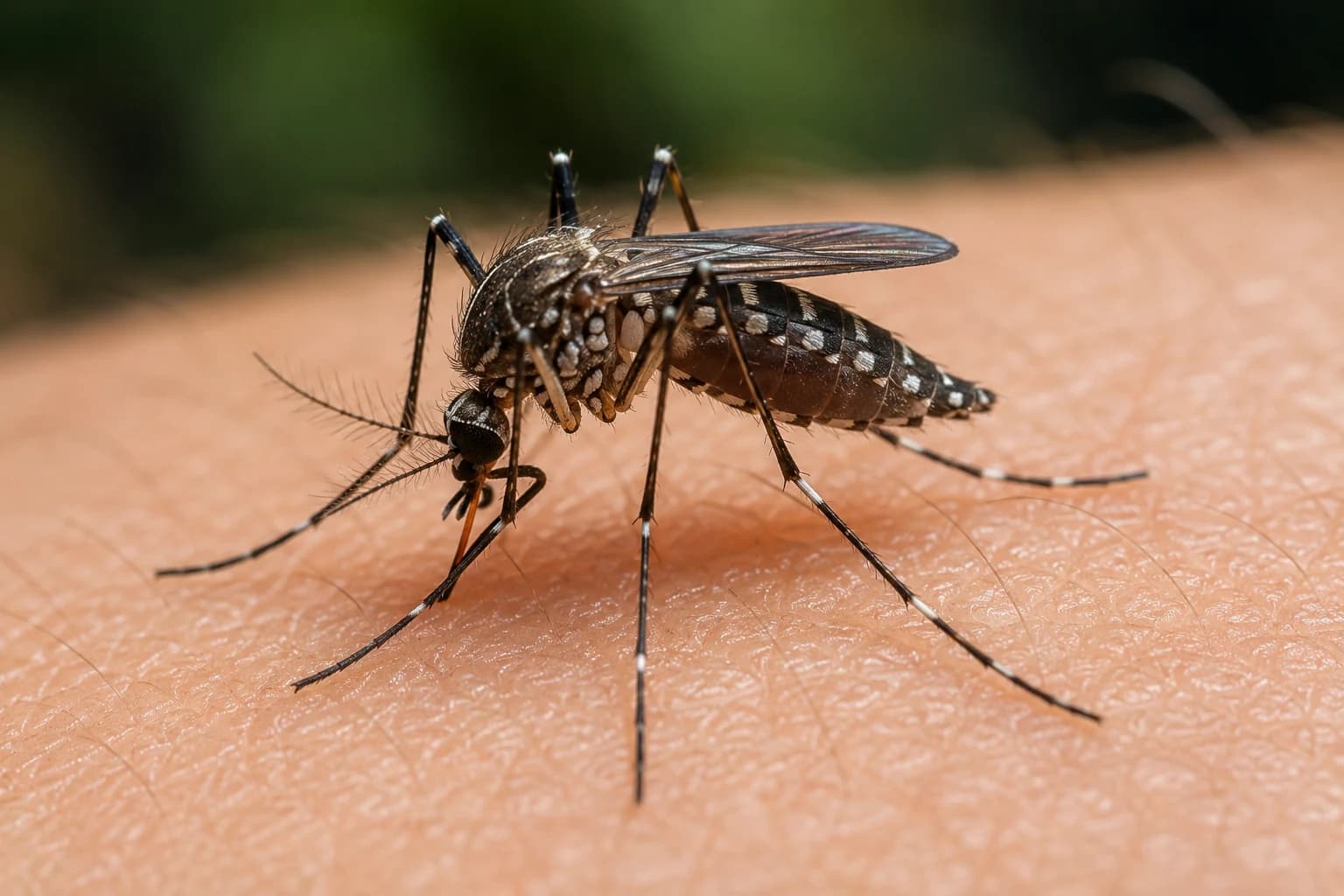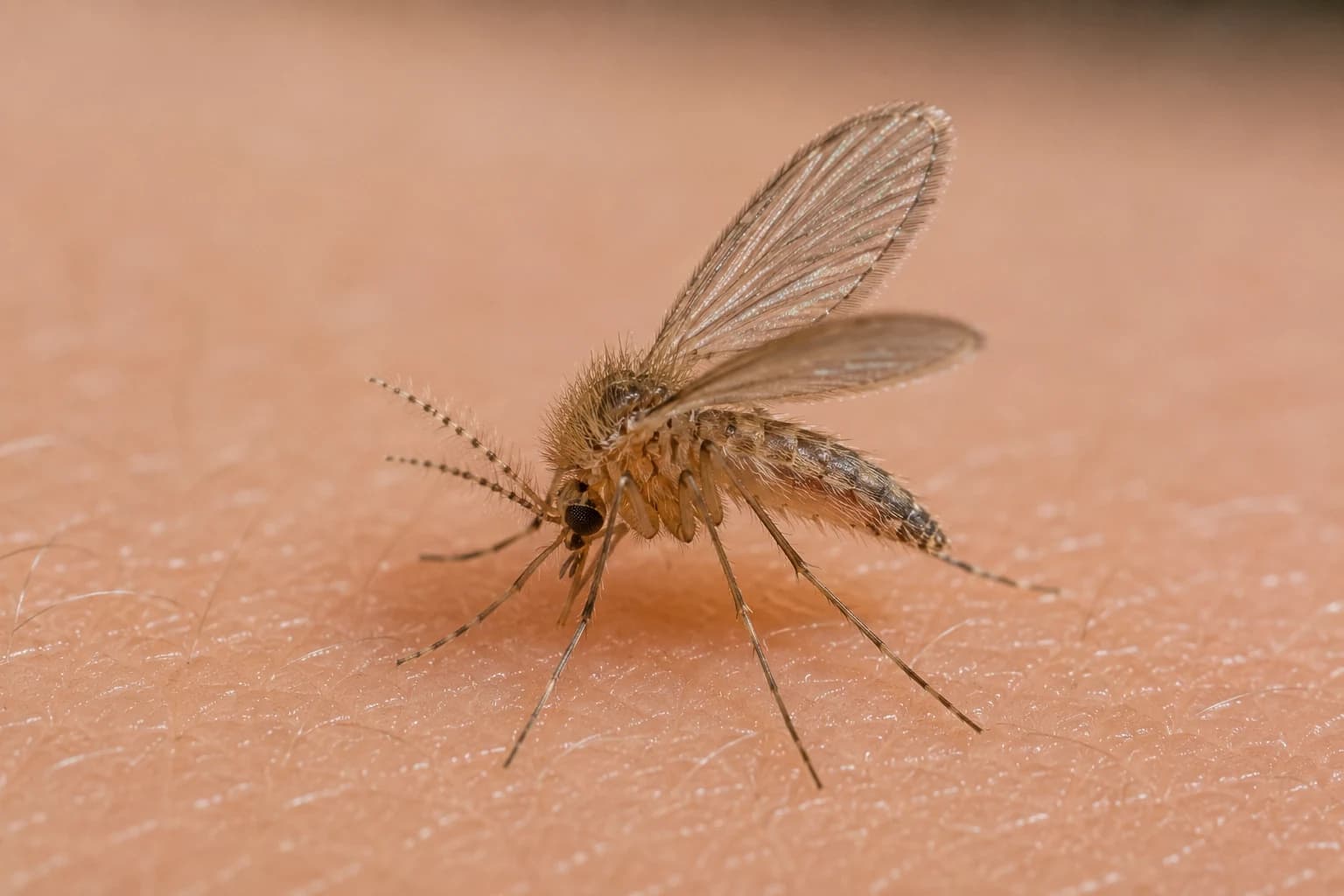
Biting midges, often called sandflies, are tiny biting flies that can make outdoor areas extremely uncomfortable. Around Hervey Bay and the Fraser Coast, midge pressure is often linked to coastal conditions, mangroves, tidal zones, damp soil, sheltered vegetation, gardens, still air, shaded outdoor areas and properties near waterways.
Although people commonly call them sandflies, biting midges are not the same as mosquitoes. They are much smaller, can be hard to see, and their bites can cause intense itching or irritation in sensitive people.
Midges are especially frustrating because they can occur in large numbers and may be most active when people want to use patios, gardens, barbecue areas, accommodation balconies, outdoor dining areas and coastal entertainment spaces.
NoTrace Pest Control provides mosquito and midge treatment across Hervey Bay and the Fraser Coast for suitable homes, rental properties, outdoor areas, accommodation providers and commercial sites.
How to Identify Biting Midges / Sandflies
Biting midges are very small flying insects. They are often difficult to see until they land or bite. Many people notice the bites before they notice the insect.
Common midge identification features include:
- Very small flying insect
- Often only 1–2 mm long
- Much smaller than a mosquito
- Can be hard to see in low light
- Often active around dawn, dusk and calm conditions
- May gather around screens, fences, vegetation and shaded outdoor areas
- Bites can cause itchy red spots, welts or irritation
- Often worse near mangroves, tidal areas, wetlands, damp soil or coastal vegetation
The Australian Museum describes biting midges as the smallest blood-sucking flies and notes they live around freshwater creeks, intertidal estuaries and mangroves.
Common Midge / Sandfly Activity in Hervey Bay & Queensland
Coastal Biting Midges
Coastal biting midges are the main issue most people mean when they say “sandflies” around coastal Queensland. They are strongly associated with mangroves, tidal areas, estuaries and damp coastal habitats.
How to identify coastal biting midge activity:
- Tiny insects biting around dawn or dusk
- Bites after being outside near coastal vegetation
- Activity around patios, screens, fences and shaded areas
- Itching or welts after time outdoors
- Worse conditions after warm, humid, still weather
Where they are usually found:
- Mangrove edges
- Tidal flats
- Estuaries
- Coastal wetlands
- Creek edges
- Vegetation near waterways
- Shaded outdoor areas
- Homes close to coastal habitat
Why they are a problem:
Coastal biting midges can make outdoor areas difficult to use, especially in still conditions. They are small enough to be hard to see and may affect patios, accommodation areas, gardens and outdoor entertaining spaces.
Mangrove Midges
Mangrove midges are associated with mangrove and estuarine environments. In coastal regions, they can disperse from breeding sites into nearby residential and outdoor areas.
How to identify mangrove midge activity:
- Bites near mangrove-lined creeks, estuaries or tidal zones
- Activity worse during calm weather
- Biting around exposed skin
- Midges resting on screens, fences and vegetation
- Problems in nearby homes or accommodation areas
Where they are usually found:
- Mangroves
- Estuaries
- Tidal creeks
- Muddy wet soil
- Saltmarsh edges
- Coastal vegetation
- Nearby residential properties
Why they are a problem:
Mangrove midges are difficult to eliminate because breeding happens in natural coastal habitats. Property-level treatment may reduce pressure around living areas, but it cannot remove every midge coming from nearby mangroves or tidal zones.
Estuarine and Tidal-Zone Midges
Some biting midges breed in damp soils associated with tidal influence, estuaries and intertidal areas. These are highly relevant to coastal Queensland communities.
How to identify estuarine midge activity:
- Bites near tidal creeks, mudflats or saltmarsh
- Activity after suitable tides, rain or humid weather
- High pressure in low-lying coastal areas
- Bites around ankles, arms, legs, neck and face
- Activity around outdoor areas close to water or damp soil
Where they are usually found:
- Tidal flats
- Estuarine mud
- Saltmarsh
- Intertidal zones
- Coastal wetlands
- Low-lying coastal properties
- Areas near creeks or waterways
Why they are a problem:
These midges can become a recurring nuisance for properties near coastal breeding habitats. Redland City Council notes biting midges breed in natural coastal habitats, with larvae found in mud or wet soils in tidal zones.
Backyard Resting Midges
Even when midges breed elsewhere, they may rest around homes, screens, fences, vegetation and shaded areas while waiting to bite.
How to identify backyard resting midge activity:
- Bites on patios, verandas or outdoor seating areas
- Midges near flyscreens or windows
- Activity around shaded vegetation
- Biting when the wind drops
- Bites despite no obvious water source on the property
Where they are usually found:
- Window screens
- Outdoor blinds
- Fences
- Shrubs
- Garden edges
- Dense vegetation
- Patios
- Outdoor furniture
- Shaded walls
Why they are a problem:
Backyard resting sites bring midges closer to people. Even if the breeding source is off-site, reducing resting areas and treating suitable zones may help lower biting pressure around the home.
Indoor Intruding Midges
Midges can enter homes through open doors, damaged screens or gaps. Some may be small enough to pass through standard flyscreens, especially when attracted to indoor light or people.
How to identify indoor midge activity:
- Tiny insects appearing near windows or lights
- Bites indoors after doors or windows have been open
- Activity near screens, bedrooms or living rooms
- Tiny flies seen on walls or curtains
- Bites occurring after evening outdoor exposure
Where they are usually found:
- Window screens
- Bedrooms
- Living areas
- Around lights
- Doors
- Curtains
- Indoor walls near entry points
Why they are a problem:
Indoor midges can affect sleep and comfort. Standard flyscreens may not always be enough, so finer mesh, sealing gaps and reducing attraction around entry points can help.
Non-Biting Midges
Not every small flying midge bites. Non-biting midges can appear in large numbers near lights, water and outdoor areas, but they do not feed on blood.
How to identify non-biting midges:
- Small flying insects
- Often swarm around lights
- May look like tiny mosquitoes
- Usually do not bite
- Often associated with water, drains or wetlands
Where they are usually found:
- Outdoor lights
- Walls
- Windows
- Waterways
- Ponds
- Drains
- Wetlands
- Buildings near water
Why they are usually lower concern:
Non-biting midges are mainly a nuisance because of swarming. If people are being bitten, the issue is more likely biting midges, mosquitoes, fleas or another biting pest.
Common Signs of Midge / Sandfly Activity
Midge problems are often noticed because of bite reactions rather than visible insects.
Common signs include:
- Itchy red bites after being outdoors
- Bites around ankles, legs, arms, neck or face
- Bites after dawn, dusk or calm humid conditions
- Tiny insects near screens, windows or outdoor lights
- Activity around patios, balconies, gardens or outdoor dining areas
- Bites near mangroves, creeks, tidal flats or wetlands
- Guests, tenants or customers complaining about biting insects
- Midges resting on fences, screens or vegetation
- Outdoor areas are becoming unpleasant to use
- Stronger reactions in some people than others
Fraser Coast Council notes that biting midges do not transmit diseases to humans but are common coastal nuisances, and that only the female bites because she needs a blood meal to fertilise eggs.
Why Midges Are a Problem Locally
Hervey Bay and the Fraser Coast have many conditions that can support midge activity, including coastal habitats, mangroves, tidal flats, estuaries, damp soil, humid weather, gardens and outdoor living spaces.
Midges can become a problem because they may:
- Bite people in large numbers
- Cause intense itching or welts in sensitive people
- Make patios, gardens and outdoor dining areas hard to use
- Affect accommodation providers, tourism properties and outdoor businesses
- Rest around screens, fences and vegetation
- Increase around calm, humid weather
- Come from natural coastal breeding areas that cannot be fully removed
- Enter homes through doors, gaps or screens
- Be difficult to see because of their tiny size
Sunshine Coast Council notes that mosquito and midge bites can be painful and uncomfortable, but unlike some mosquitoes, biting midges do not spread diseases to humans.
Midge / Sandfly Bite Reactions
Midge bites can affect people differently. Some people get small, itchy spots, while others develop larger welts or strong irritation.
Possible reactions include:
- Itchy red spots
- Swelling
- Welts
- Burning or stinging sensation
- Scratching and skin irritation
- Sleep disturbance if bites are severe
- Secondary infection if bites are scratched heavily
General safety tips:
- Avoid scratching bites where possible
- Clean irritated skin gently
- Use cold compresses for irritation
- Seek medical advice if bites become infected, swelling is severe or symptoms are unusual
- Use insect repellent according to label directions
- Wear long, loose-fitting clothing when midges are active
Midge Breeding and Resting Areas to Check
Midges often breed in natural environments, but they can rest around homes and businesses.
Common nearby breeding or pressure areas include:
- Mangroves
- Tidal flats
- Estuaries
- Saltmarsh
- Damp soil
- Wetlands
- Creek edges
- Coastal vegetation
- Low-lying damp areas
- Muddy shaded zones
Common resting areas around properties include:
- Window screens
- Fences
- Shrubs
- Dense vegetation
- Outdoor blinds
- Shaded walls
- Patios
- Garden edges
- Outdoor furniture
- Areas protected from wind
Bundaberg Regional Council notes that biting midges rest on screens, fences and vegetation, and are especially active in warmer months and around dawn and dusk.
Prevention Tips
Midge prevention is about reducing bites, limiting entry and making outdoor living areas less attractive or less sheltered.
Practical steps include:
- Use insect repellent according to label directions
- Wear long, loose-fitting clothing during peak activity
- Use fans around patios and outdoor seating areas
- Keep flyscreens in good condition
- Consider finer mesh where midges are a regular issue
- Close doors and windows during peak biting times
- Reduce dense vegetation close to outdoor living areas where practical
- Improve airflow around patios, balconies and outdoor dining areas
- Avoid sitting outside during peak dawn and dusk activity when pressure is high
- Use outdoor lighting carefully, as lights may attract some small flying insects
- Keep accommodation balconies and outdoor areas maintained
- Remove unnecessary damp clutter around the property
- Manage shaded resting sites near doors, screens and seating areas
Logan City Council notes midges prefer humid, overcast conditions, usually bite around dusk and dawn, can get through insect screens, and are less active in windy conditions.
Professional Midge / Sandfly Treatment
Professional midge treatment focuses on reducing biting pressure around the areas people actually use, such as patios, outdoor seating areas, entry points, screens, vegetation edges and shaded resting areas.
A midge treatment may include:
- Inspection of outdoor biting pressure areas
- Identifying nearby resting sites
- Treatment of suitable vegetation, screens, walls or outdoor zones where appropriate
- Advice on airflow, screening and peak activity times
- Recommendations for outdoor living areas
- Practical expectations for coastal properties near mangroves or tidal zones
- Follow-up advice for high-pressure conditions
NoTrace Pest Control provides mosquito and midge treatment across Hervey Bay and the Fraser Coast for suitable homes, rental properties, outdoor areas, accommodation providers and commercial sites.
Important Note About Coastal Midge Control
Midges often breed in natural coastal environments such as mangroves, saltmarsh and tidal mud. These areas are not usually controlled like a normal household pest source.
Property-level treatment can help reduce pressure around patios, screens, gardens and outdoor living areas, but it cannot eliminate every biting midge coming from nearby natural habitat.
For coastal Hervey Bay properties, the best results usually come from combining:
- Targeted treatment of suitable resting areas
- Finer screening where needed
- Fans and airflow
- Repellent use
- Vegetation management
- Avoiding peak dawn and dusk activity where practical
Need Help With Midges / Sandflies?
If biting midges are making your patio, garden, rental property, accommodation area or outdoor business space difficult to use, NoTrace can inspect the property and recommend a practical treatment and prevention plan.
Midge problems are easier to manage when professional treatment is combined with airflow, screening, vegetation management, repellent use and realistic expectations around nearby coastal breeding areas.