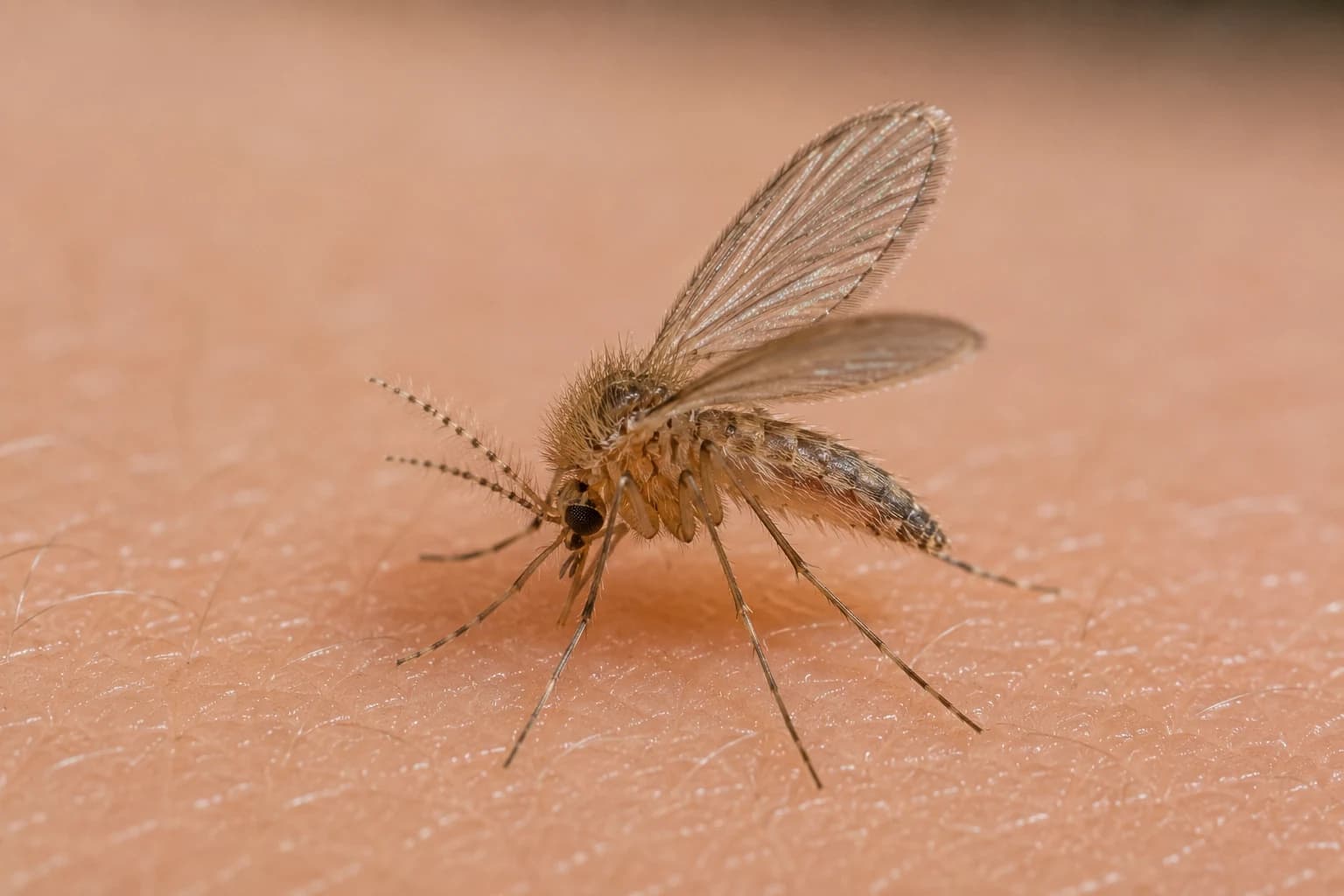
Fleas are small blood-feeding insects that can affect homes, pets, rental properties, carpets, bedding, shaded outdoor areas and commercial accommodation. In Hervey Bay and the Fraser Coast, warm coastal conditions can support flea activity, especially where pets, wildlife, rodents, shaded yards or untreated resting areas are involved.
Fleas are often noticed because of bites, pets scratching, or tiny jumping insects in carpet and bedding. A flea problem can continue even after pets are removed from the property because eggs, larvae and pupae may remain hidden in carpets, cracks, bedding and shaded areas.
NoTrace Pest Control provides flea treatment across Hervey Bay and the Fraser Coast for homes, rental properties, end-of-lease situations and suitable commercial sites.
How to Identify Fleas
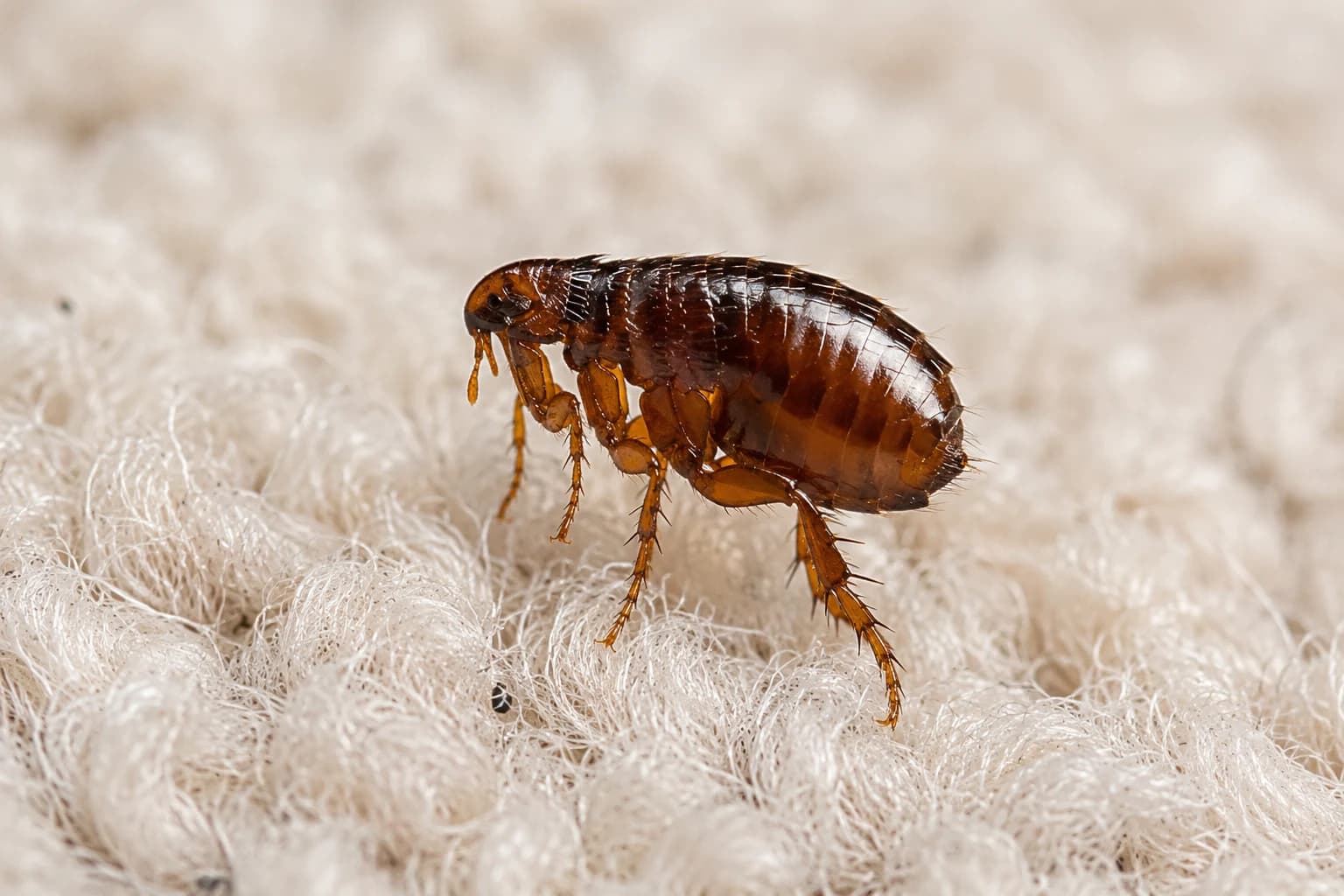
Fleas are small, wingless insects that are flattened from side to side. This body shape helps them move through animal fur, carpet fibres and bedding.
Common flea identification features include:
- Very small size
- Brown to reddish-brown body
- Flattened body
- No wings
- Strong jumping ability
- Six legs, with enlarged back legs for jumping
- Fast movement through fur, carpet or fabric
- Bites often occur around ankles, feet and lower legs
- Activity around pet bedding, carpets, rugs, lounges and shaded outdoor areas
Fleas may be seen jumping on socks, bedding, carpets or pets. They are hard to catch because they jump quickly when disturbed. The Australian Museum describes fleas as external parasites that may be found alone or in large numbers on suitable hosts, and notes that they jump when disturbed.
Common Flea Types in Hervey Bay & Queensland
Cat Flea
The cat flea is the main flea species affecting Australian homes and pets. Despite the name, cat fleas commonly affect dogs, cats and people.
How to identify cat fleas:
- Small reddish-brown flea
- Flattened body
- Strong jumping ability
- Often found on cats and dogs
- May bite people when activity is heavy
- Common around pet bedding, carpets and lounges
Where they are usually found:
- Cats and dogs
- Pet bedding
- Carpets and rugs
- Lounges and soft furnishings
- Bedrooms
- Shaded outdoor pet resting areas
- Rental properties where pets have lived
- End-of-lease treatment areas
Why they are a problem:
Cat fleas are the most common flea problem in Australian homes. They can bite people, irritate pets and continue breeding in carpets, bedding and pet resting areas if the environment is not treated properly.
Dog Flea
Dog fleas can affect dogs and may bite people, although they are less commonly the main flea found in Australian homes compared with cat fleas.
How to identify dog fleas:
- Small brown to reddish-brown flea
- Similar appearance to cat fleas
- Usually associated with dogs
- Can move through pet bedding, carpets and resting areas
- Identification often needs close inspection
Where they are usually found:
- Dogs
- Dog bedding
- Kennels
- Carpets
- Rugs
- Lounges
- Outdoor shaded dog areas
- Cracks and sheltered spaces near pet resting areas
Why they are a problem:
Dog fleas can irritate pets and may contribute to bites around the home. Because cat fleas are also common on dogs, the species may not be obvious without close identification.
Human Flea
Human fleas are present in Australia but are less common than cat fleas and dog fleas. They can bite people and may also feed on other animals.
How to identify human fleas:
- Small brown flea
- Wingless and flattened
- Can bite people
- May be associated with bedding, clothing, animals or poor sanitation
- Looks similar to other fleas without magnification
Where they may be found:
- Bedding
- Clothing
- Carpets
- Animal resting areas
- Older dwellings or areas with animal access
- Sites with repeated flea activity
Why they are a problem:
Human fleas can cause itchy bites and discomfort. However, most household flea problems are more likely to involve cat fleas, even when people are being bitten.
Bird Fleas
Bird fleas are usually linked to birds, nests and nesting material. They may become noticeable when birds leave a nest or when old nesting material is disturbed.
How to identify bird fleas:
- Small jumping flea
- Associated with birds or bird nesting material
- May bite people when the original bird host leaves
- Can appear suddenly near roof voids, balconies, eaves or nest sites
Where they are usually found:
- Bird nests
- Roof voids
- Eaves
- Balconies
- Sheds
- Nesting material
- Areas where birds have been roosting
Why they are a problem:
Bird fleas may bite people when birds leave a nest and the fleas seek another host. Control often needs to address the nesting source as well as affected nearby areas.
Rodent Fleas
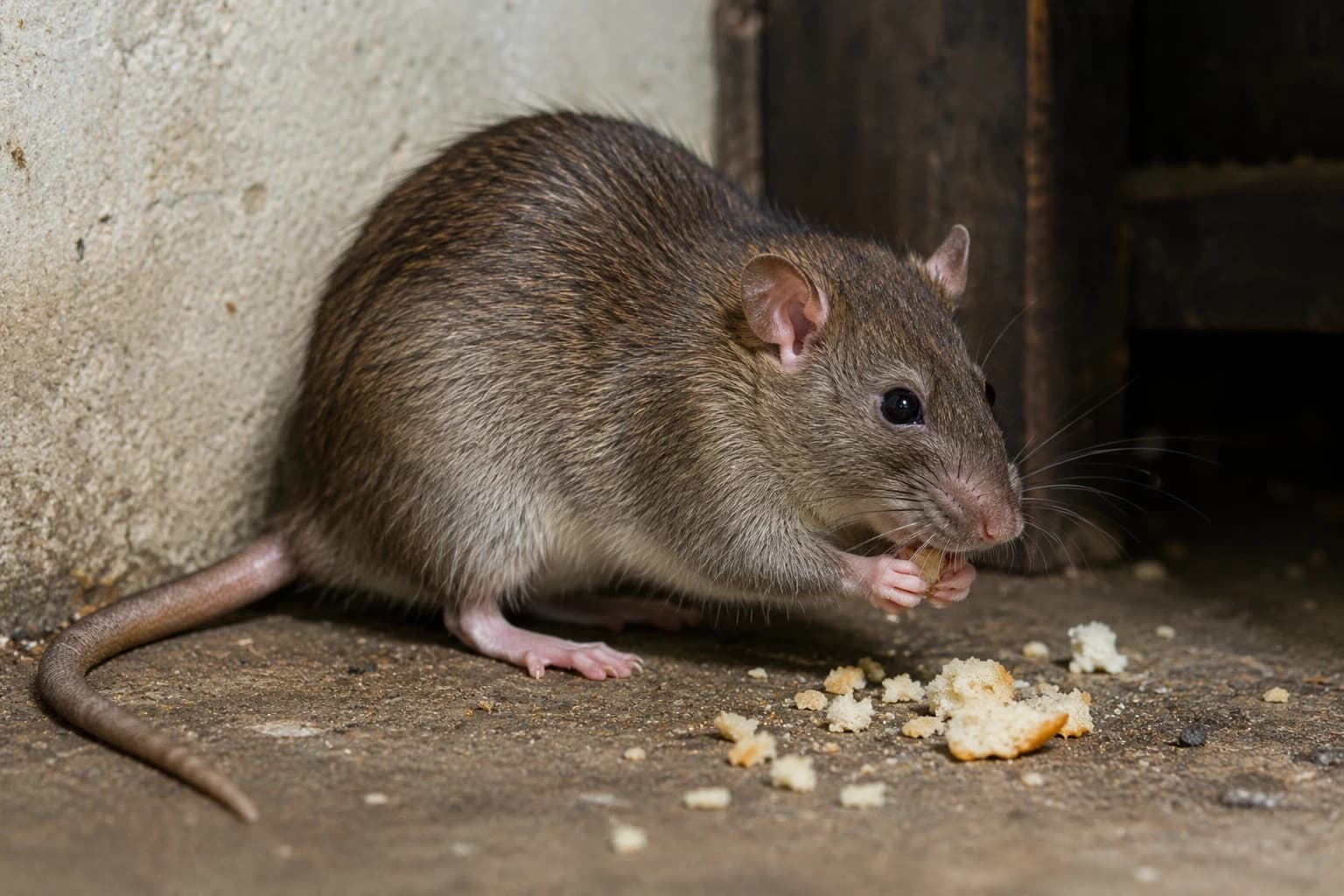
Rodent fleas are associated with rats and mice. They may become a concern where there is rodent activity in roof voids, sheds, wall cavities, subfloors or storage areas.
How to identify rodent fleas:
- Small flea associated with rats or mice
- May be found near rodent nests, droppings or harbourage
- Can bite people or pets if rodent hosts are removed
- Usually linked with a rodent problem
Where they are usually found:
- Rodent nests
- Roof voids
- Wall cavities
- Sheds
- Subfloors
- Storage areas
- Around bins or food storage
- Areas with rat or mouse activity
Why they are a problem:
Rodent fleas can become an issue when rats or mice are active, or after rodents are removed and fleas seek another host. Rodent control and flea treatment may both be needed.
Some flea-borne diseases can be associated with infected fleas. NSW Health notes that murine typhus is transmitted by fleas carried by rats and mice, and cat flea typhus is recognised in Australia.
Rabbit Fleas
Rabbit fleas are associated with rabbits and may be found where domestic rabbits or wild rabbits are present.
How to identify rabbit fleas:
- Small flea associated with rabbits
- Often linked to rabbit resting areas, hutches or burrows
- Similar appearance to other fleas
- May bite other animals or people in some situations
Where they are usually found:
- Rabbit hutches
- Pet rabbit bedding
- Burrow areas
- Outdoor enclosures
- Areas where rabbits rest or shelter
Why they are a problem:
Rabbit fleas can become a concern around pet rabbits or areas where wild rabbits are present. Treatment should consider both the animal host and the surrounding environment.
Stickfast Fleas
Stickfast fleas are more commonly associated with poultry, birds and some animals. They attach firmly to the host, often around the face, comb, wattles, eyes or ears of birds.
How to identify stickfast fleas:
- Small dark fleas attached firmly to the skin
- Often seen clustered around poultry faces
- May look like small dark specks fixed in place
- Associated with birds, chickens and outdoor animal areas
Where they are usually found:
- Chicken coops
- Poultry bedding
- Bird areas
- Outdoor animal shelters
- Soil and dust near poultry areas
- Around nesting or roosting sites
Why they are a problem:
Stickfast fleas can irritate poultry and other animals. Heavy activity can affect animal welfare and may require treatment of both animals and the environment, with veterinary or appropriate animal-care advice.
Common Signs of Flea Activity
Flea problems are often noticed through bites or pet behaviour before fleas are clearly seen.
Common signs include:
- Pets scratching, licking or biting themselves more than usual
- Small red itchy bites on people, especially around ankles and lower legs
- Fleas jumping on socks, legs, bedding or carpets
- Fleas seen in pet fur
- Black specks or “flea dirt” in pet bedding or fur
- Activity around carpets, rugs, lounges and bedrooms
- Fleas appearing after a property has been vacant
- Fleas noticed during end-of-lease cleaning
- Bites after sitting on carpet, lounges or bedding
- Activity in shaded outdoor pet resting areas
Why Fleas Are a Problem Locally
Hervey Bay’s warm coastal climate can suit flea activity, especially where pets, wildlife, rodents, shaded areas, carpets and bedding provide the right conditions. Fleas can become a problem inside and outside the home.
Fleas can be difficult because they may:
- Bite people and pets
- Cause itching, irritation and scratching
- Continue developing in carpets, bedding and cracks
- Reappear after pets are removed from a property
- Become worse when untreated pet bedding remains
- Be linked to pets, rodents, birds or wildlife
- Affect rental properties and end-of-lease requirements
- Require both pet treatment and environmental treatment
Fleas feed on a wide range of warm-blooded hosts, including humans, dogs, cats, rabbits, rats, mice and birds. They may specialise in one host group but can often feed on other hosts as well.
Flea Bite and Health Concerns
Most flea bites cause local itching and irritation, but scratching can sometimes lead to secondary infection. Better Health notes that flea bites can be intensely itchy and that secondary infections from scratching are common.
General safety tips:
- Avoid scratching bites where possible
- Clean bites gently
- Seek medical advice if bites become infected, swollen or unusually painful
- Speak to a vet if pets are scratching, losing hair or showing skin irritation
- Keep pets on vet-recommended flea prevention
- Treat both the pet and the environment when fleas are present
NoTrace can treat suitable environmental flea areas, but pet treatment should be handled with vet-recommended products or veterinary advice.
Flea Life Cycle
Fleas are persistent because only part of the problem is on the animal. Eggs, larvae and pupae may be hidden in the environment.
The flea life cycle includes:
- Adult fleas feeding on the host
- Eggs dropping into carpets, bedding, cracks or resting areas
- Larvae developing in protected areas
- Pupae remaining hidden until vibration, warmth or movement triggers emergence
- New adults jumping onto people or animals
This is why fleas may appear after a property has been vacant or after pets have left. Movement, warmth and vibration can trigger adult fleas to emerge.
Prevention Tips
Flea prevention works best when pets, bedding, carpets and outdoor resting areas are managed together.
Practical steps include:
- Keep pets on vet-recommended flea prevention
- Wash pet bedding regularly
- Vacuum carpets, rugs, skirting edges and lounge areas
- Dispose of vacuum contents carefully after flea activity
- Clean under furniture and around pet resting spots
- Keep lawns maintained
- Reduce shaded clutter where pets rest
- Treat pet bedding and resting areas promptly when activity appears
- Manage rodent problems early
- Remove old bird nesting material where safe and legal to do so
- Avoid allowing stray animals or wildlife to shelter under the house
- Arrange end-of-lease flea treatment where required
For pet owners, environmental treatment works best when pet flea treatment is kept up to date. Professional Pest Manager notes that comprehensive treatment is needed and that indoor-only flea bombs often do not address all areas where the pet has been.
Professional Flea Treatment
Professional flea treatment focuses on the areas where fleas, eggs, larvae and pupae are likely to be present.
A flea treatment may include:
- Inspection of indoor and outdoor flea activity areas
- Treatment of carpets, rugs and floor edges where suitable
- Treatment of pet resting areas
- Treatment of shaded outdoor areas where pets rest
- Advice on vacuuming and preparation
- Advice on pet bedding and environmental management
- Recommendations for rodent, bird or wildlife-related sources if relevant
- End-of-lease flea treatment where required
NoTrace Pest Control provides flea treatment across Hervey Bay and the Fraser Coast for homes, rental properties, end-of-lease situations and suitable commercial sites.
Important Note About Pets
Professional flea treatment works best when pets are also treated with suitable flea prevention. Speak to your vet or use an appropriate vet-recommended product for dogs, cats and other pets.
If pets are not treated, fleas can continue feeding and the infestation may return even after the property has been treated.
Need Help With Fleas?
If you are getting bites around the ankles, seeing fleas on pets, finding fleas in carpets, or needing end-of-lease flea treatment, NoTrace can inspect the issue and recommend the right treatment.
Flea problems are easier to manage when the pet, bedding, carpet, outdoor resting areas and possible wildlife or rodent sources are considered together.