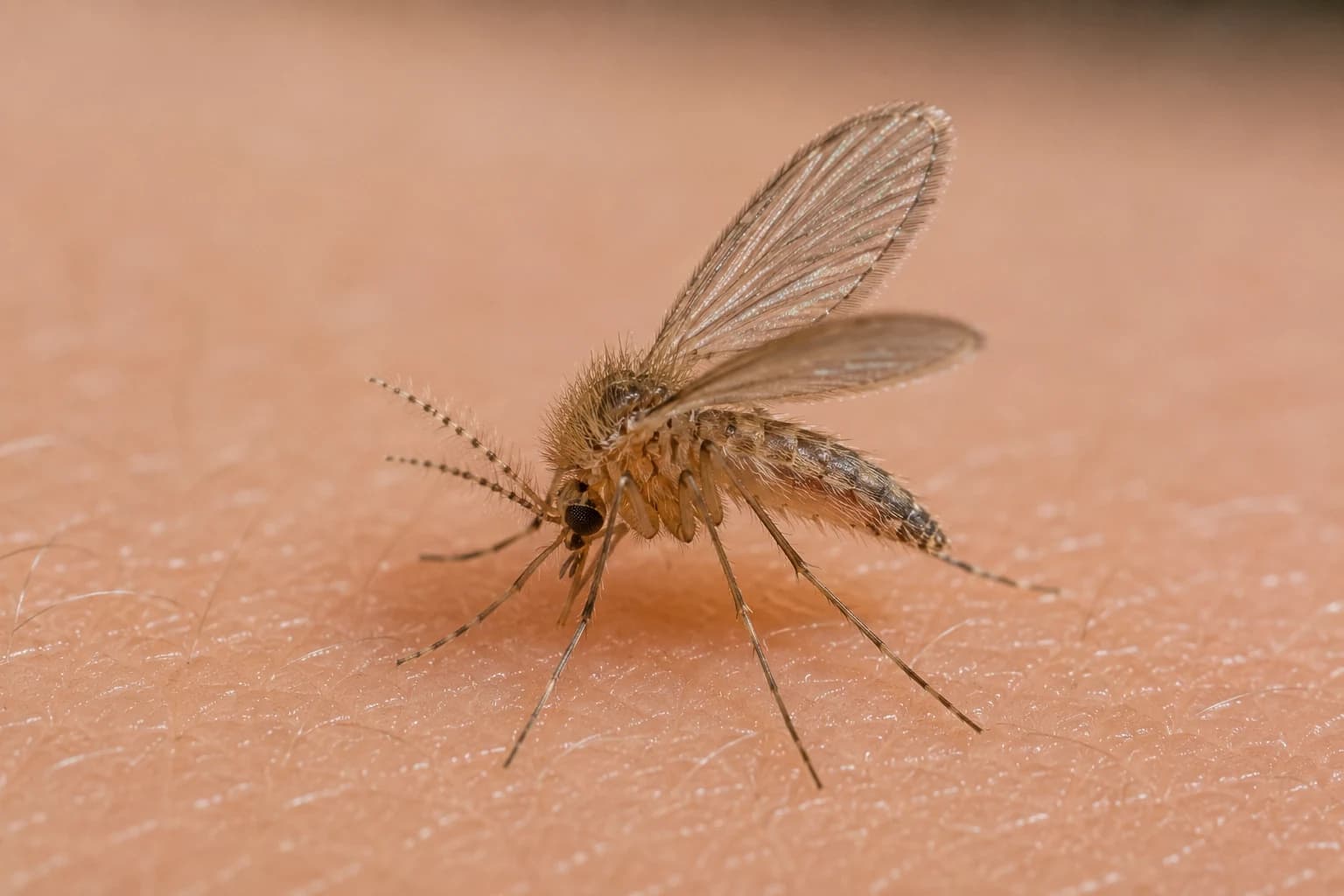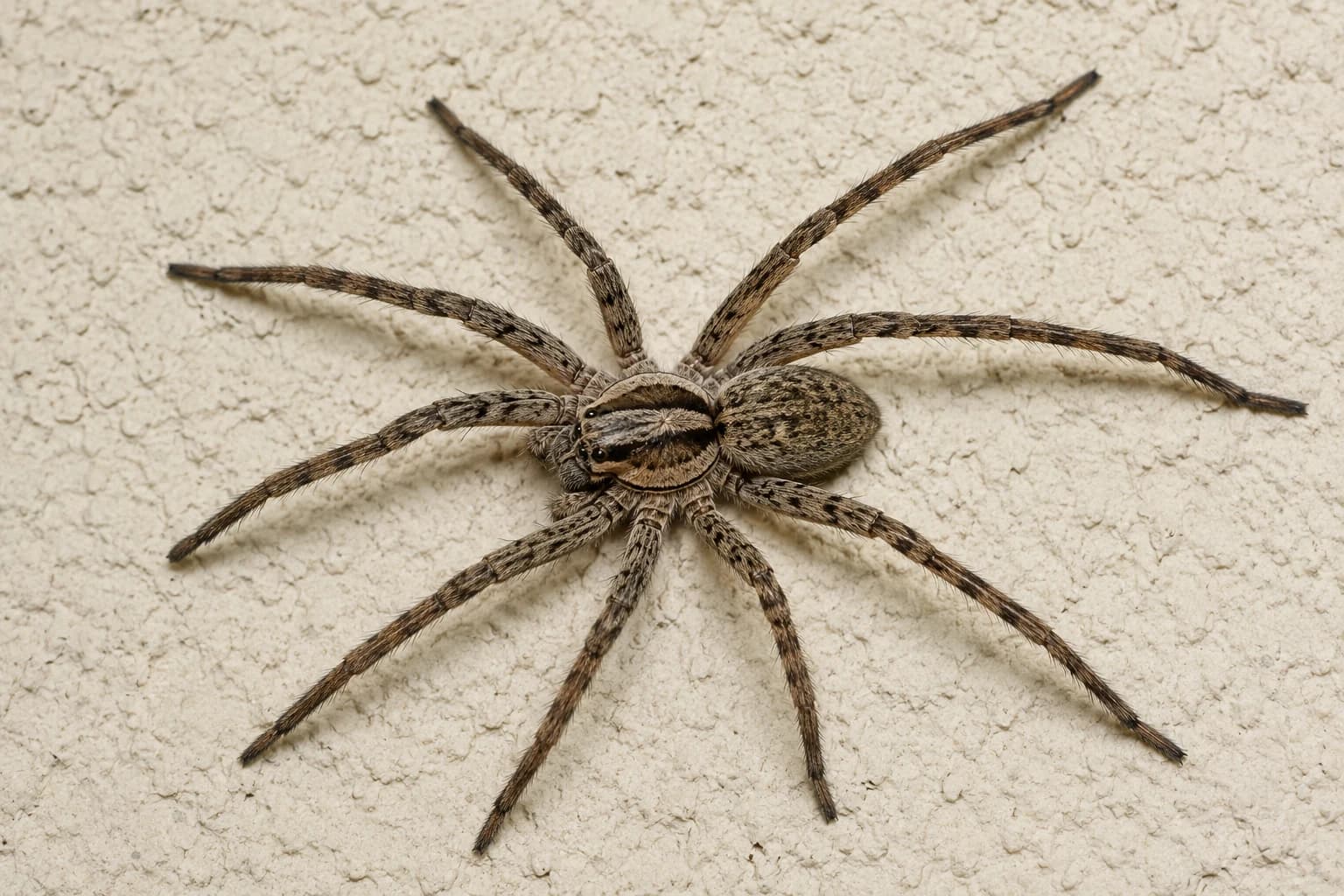
Spiders are common around Queensland homes, sheds, fences, gardens, garages, patios, outdoor furniture and rooflines. In Hervey Bay and the Fraser Coast, warm weather, gardens, insects, outdoor lighting and sheltered building edges can all support spider activity.
Most spiders are not aggressive, and many help reduce insects around the home. However, some spiders become a problem when they build webs around entryways, appear inside living areas, hide in outdoor furniture, or create concern around children, pets, customers and tenants.
NoTrace Pest Control provides spider treatment across Hervey Bay and the Fraser Coast for homes, rental properties, sheds, garages, outdoor areas and commercial sites.
How to Identify Spiders
Spiders are arachnids, not insects. Adult spiders have eight legs and two main body sections. They do not have wings or antennae.
Common spider identification features include:
- Eight legs
- Two main body sections
- No wings
- No antennae
- Webbing, burrows or active hunting behaviour depending on the species
- Activity around eaves, fences, windows, outdoor furniture, sheds, garages and gardens
- Egg sacs in webs, corners, furniture, storage areas or sheltered spaces
Some spiders build obvious webs, while others hunt without a web. This is why spider identification is often based on both appearance and where the spider is found.
Common Spider Types in Hervey Bay & Queensland
Redback Spider
Redback spiders are one of the most important spiders to recognise around homes and outdoor areas. They often hide in dry, sheltered places and build messy webs in areas that may be touched or disturbed.
How to identify redback spiders:
- Females are usually black with a red, orange or pale marking on the abdomen
- Small to medium body size
- Messy, tangled web
- Often found close to the ground or in sheltered spaces
- Males and juveniles can be harder to identify
Where they are usually found:
- Outdoor furniture
- Sheds
- Garages
- Pot plants
- Children’s toys
- Play equipment
- Fences
- Letterboxes
- Under tables and chairs
- Around stored items
Why they are a problem:
Redbacks can bite if disturbed. The Queensland Poisons Information Centre recommends washing the area, applying an ice pack, and seeking medical advice if severe pain does not subside or an infection develops.
For redback spider bites, Queensland Government advice says not to apply a pressure immobilisation bandage.
Huntsman Spider
Huntsman spiders are large, fast-moving spiders that often appear on walls, ceilings, curtains, cars, sheds and outdoor areas. Their size can be alarming, but they are generally not considered dangerous.
How to identify huntsman spiders:
- Large flattened body
- Long legs that often spread sideways
- Brown, grey or mottled colouring
- Fast movement
- Usually hunts rather than building a web to catch prey
Where they are usually found:
- Walls
- Ceilings
- Behind curtains
- Sheds
- Garages
- Cars
- Tree bark
- Outdoor storage areas
- Around lights where insects gather
Why they are a problem:
Huntsman spiders can frighten people because of their size and speed. The Australian Museum notes that huntsman spiders are not considered dangerous, although they can bite and may cause some effects.
Wolf Spider
Wolf spiders are ground-hunting spiders often found in lawns, gardens, leaf litter, paths and outdoor areas. They do not build the kind of web people often associate with house spiders.
How to identify wolf spiders:
- Brown, grey or mottled body
- Often hairy-looking
- Strong running legs
- Usually found on the ground
- May have a visible pattern on the body
- Females may carry an egg sac or young spiderlings
Where they are usually found:
- Lawns
- Garden beds
- Leaf litter
- Paths
- Soil
- Around sheds
- Under outdoor items
- Near ground-level cracks and gaps
Why they are a problem:
Wolf spiders can wander indoors and are often noticed at night. They are generally more of a nuisance or concern pest around homes, garages and outdoor areas.
Black House Spider
Black house spiders are common web-building spiders around windows, brickwork, fences, sheds, eaves and outdoor structures. Their webs can make buildings look untidy.
How to identify black house spiders:
- Dark brown to black body
- Robust body shape
- Builds messy, lacy or funnel-like webs
- Often hides in a retreat within the web
- Webs often collect dust and dead insects
Where they are usually found:
- Window frames
- Brickwork
- Eaves
- Fences
- Sheds
- Garages
- Wall edges
- Around outdoor lights
Why they are a problem:
Black house spiders can create heavy webbing around buildings. Their webs can be unsightly around homes, rental properties and commercial sites.
Daddy-Long-Legs Spider
Daddy-long-legs spiders are common indoor spiders often found in corners, cupboards, bathrooms, laundries and garages. They are usually more of a nuisance than a serious pest.
How to identify daddy-long-legs spiders:
- Very long, thin legs
- Small body
- Loose, messy web
- Often hangs upside down in corners
- Pale brown or grey colouring
Where they are usually found:
- Room corners
- Bathrooms
- Laundries
- Cupboards
- Garages
- Under stairs
- Storage areas
Why they are a problem:
They can build messy webs indoors and make a home or business look poorly maintained, especially if webbing builds up in corners and storage areas.
Orb-Weaving Spiders
Orb-weaving spiders build the classic round webs often seen across garden paths, patios, fences and between trees. They are common in gardens and outdoor areas, especially when insects are active.
How to identify orb-weaving spiders:
- Often have a round or bulky abdomen
- Build circular wheel-shaped webs
- Usually active at night or early morning
- Webs may appear across paths, patios or garden spaces
- Colour and size varies between species
Where they are usually found:
- Gardens
- Trees
- Shrubs
- Fences
- Patios
- Clotheslines
- Outdoor walkways
- Around lights
Why they are a problem:
Orb-weavers are usually beneficial because they catch insects, but their webs can become a nuisance around walkways, outdoor seating areas and high-traffic spaces.
Garden Spiders
Garden spiders are a broad group of spiders commonly found in vegetation, shrubs, flowers and outdoor areas. Some build webs while others actively hunt.
How to identify garden spiders:
- Colour and size varies
- Often found among plants or garden structures
- May build webs between shrubs or stems
- Often more visible after rain or during insect activity
- Usually linked with outdoor habitats
Where they are usually found:
- Garden beds
- Shrubs
- Hedges
- Outdoor furniture
- Fences
- Around garden lighting
- Dense vegetation
Why they are a problem:
Most garden spiders are not a major issue unless they are entering the house, building webs across outdoor living areas or appearing in high-use zones.
Jumping Spiders
Jumping spiders are small, active spiders often seen on walls, windows, fences, plants and outdoor surfaces. They have excellent vision and move in short, quick jumps.
How to identify jumping spiders:
- Small compact body
- Large front-facing eyes
- Short, quick jumping movement
- Often active during the day
- May appear curious or alert
Where they are usually found:
- Walls
- Windowsills
- Fences
- Plants
- Outdoor furniture
- Garden areas
Why they are a problem:
Jumping spiders are usually harmless nuisance spiders. They are more often noticed because they move openly during the day.
Trapdoor Spiders
Trapdoor spiders are burrowing spiders. They are part of the mygalomorph spider group, which includes trapdoors, tarantulas and funnel-web relatives. Queensland Museum notes that mygalomorph spiders are common and diverse in Queensland, but often hard to observe because many live in burrows.
How to identify trapdoor spiders:
- Stout body
- Strong legs
- Usually brown to dark brown
- Often found near burrows
- May be mistaken for funnel-web type spiders
Where they are usually found:
- Soil
- Lawns
- Garden beds
- Bushy areas
- Burrows near paths or garden edges
- Natural outdoor areas
Why they are a problem:
Trapdoor spiders are not usually a general household infestation pest, but they can cause concern when found near paths, lawns or outdoor areas.
Funnel-Web Type Spiders
Funnel-web spiders and their relatives belong to the mygalomorph group. They should be treated with caution if found, especially if identification is uncertain.
How to identify funnel-web type spiders:
- Dark, glossy body
- Stout build
- Strong front legs
- Often associated with burrows or retreats
- May be mistaken for trapdoor spiders or mouse spiders
Where they may be found:
- Burrows
- Damp sheltered areas
- Garden edges
- Under logs or rocks
- Bushy environments
- Outdoor areas after rain or disturbance
Why they are a problem:
Funnel-web spider bites require urgent first aid. Healthdirect advises pressure immobilisation and calling an ambulance for funnel-web spider bites.
If you are unsure whether a spider is a funnel-web type spider, avoid handling it and seek professional advice.
Mouse Spiders
Mouse spiders are dark, stout spiders that can be mistaken for funnel-web spiders. Some have noticeable colour markings depending on species and sex.
How to identify mouse spiders:
- Stout body
- Dark colouring
- Large head region
- Strong legs
- Often found on the ground or near burrows
Where they are usually found:
- Gardens
- Soil
- Burrows
- Lawns
- Bushy areas
- Outdoor spaces after rain
Why they are a problem:
Mouse spiders should be treated with caution because they can resemble funnel-web spiders and may bite if handled or disturbed.
White-Tailed Spider
White-tailed spiders are active hunting spiders often found indoors and outdoors. They are commonly seen walking across floors, walls and bedding areas.
How to identify white-tailed spiders:
- Dark grey to dark brown elongated body
- Pale or whitish mark near the tip of the abdomen
- Slender legs
- Hunts other spiders rather than using a capture web
Where they are usually found:
- Bedrooms
- Bathrooms
- Laundries
- Cupboards
- Under bedding or clothing
- Around skirting boards
- Outdoor bark and sheltered areas
Why they are a problem:
White-tailed spiders are often a concern because they wander indoors and may be found in clothing, bedding or bathrooms. Bites can cause local pain and irritation, but serious outcomes are often over-attributed.
St Andrew’s Cross Spider
St Andrew’s Cross spiders are common garden orb-weavers known for sitting in their web with their legs paired in an X-shape.
How to identify St Andrew’s Cross spiders:
- Often sits in an X-shaped posture
- Builds orb webs in gardens
- May have yellow, white, brown or patterned markings
- Web may contain a visible zig-zag silk structure
Where they are usually found:
- Gardens
- Shrubs
- Fences
- Between plants
- Outdoor paths
- Around insect-rich areas
Why they are a problem:
They are usually beneficial garden spiders but can become a nuisance when webs are built across walkways, patios or outdoor living areas.
Golden Orb-Weaving Spider
Golden orb-weaving spiders build large strong webs, often with golden-coloured silk. They are commonly seen in gardens, bush edges and outdoor areas.
How to identify golden orb-weaving spiders:
- Large orb-weaving spider
- Long legs
- Large web, often strong and sticky
- Web may have a golden shine in sunlight
- Often positioned between trees, shrubs or structures
Where they are usually found:
- Gardens
- Trees
- Bushland edges
- Between buildings and vegetation
- Outdoor paths
- Around insect-rich areas
Why they are a problem:
They are useful insect predators but their large webs can be unpleasant when built across paths, patios, clotheslines or access areas.
Common Signs of Spider Activity
Spider activity is often noticed because of webbing, sightings or egg sacs.
Common signs include:
- Webs around eaves, fences, windows and outdoor furniture
- Spiders seen inside rooms, bathrooms, laundries or garages
- Messy webs under chairs, tables, pot plants or stored items
- Egg sacs in corners, webs, outdoor furniture or sheds
- Increased webbing around outdoor lights
- Spiders appearing after rain, garden work or seasonal changes
- Heavy webbing around rental properties, commercial buildings or entryways
- Spiders hiding in toys, shoes, stored items or outdoor equipment
Why Spiders Are a Problem Locally
Hervey Bay’s warm climate, outdoor lifestyle and insect activity make spider pressure common around homes and businesses. Gardens, sheds, garages, fences, patios, pool areas and outdoor lighting can all create favourable conditions.
Spiders can become a problem when they:
- Build webs around entryways, eaves and outdoor areas
- Hide in outdoor furniture, toys, shoes or stored items
- Create concern around children, pets or guests
- Make rental or commercial properties look poorly maintained
- Keep returning because insects and harbourage areas remain
- Appear in high numbers around sheds, garages and fences
- Include higher-risk species such as redbacks or uncertain funnel-web type spiders
For commercial properties, accommodation sites, body corporate properties and rental homes, visible spider webs can affect presentation and customer confidence.
Spider Bite Safety
Most spider bites cause local pain, redness, swelling or irritation. However, some bites need medical advice.
General safety tips:
- Do not handle spiders with your bare hands
- Shake out shoes, gloves and outdoor clothing before use
- Wear gloves when moving stored items, pots, timber or outdoor furniture
- Keep children away from unknown spiders
- Seek medical advice if pain is severe, symptoms spread, or infection develops
- Call Triple Zero (000) for severe allergic symptoms, collapse or breathing difficulty
For redback spider bites, Queensland advice recommends ice and pain relief, and says not to use a pressure immobilisation bandage.
For suspected funnel-web spider bites, pressure immobilisation and urgent emergency help are required.
Prevention Tips
Spider prevention works best when webs, harbourage areas and insect food sources are reduced.
Practical steps include:
- Remove old webs where safe to do so
- Keep outdoor furniture, toys and stored items tidy
- Wear gloves when moving pot plants, timber or stored materials
- Reduce clutter in sheds, garages and storage areas
- Trim vegetation away from walls, fences and rooflines
- Reduce insects around outdoor lights where practical
- Seal gaps around doors, windows and wall penetrations where possible
- Store shoes, gloves and outdoor equipment off the ground
- Check play equipment and outdoor seating regularly
- Keep rental and commercial entryways free from heavy webbing
For redbacks, focus on dry, sheltered hiding spots such as outdoor furniture, pot plants, toys, sheds and stored items.
Professional Spider Treatment
Professional spider treatment targets the areas where spiders build webs, hide, hunt or harbour.
A spider treatment may include:
- Inspection of eaves, fences, sheds, garages and outdoor areas
- Treatment around external walls, rooflines and entry points
- Treatment of likely harbourage areas where suitable
- Focus on outdoor furniture, sheds and storage areas where redbacks may hide
- Web reduction advice
- Recommendations for reducing insect activity and outdoor harbourage
- Follow-up advice for heavy spider pressure
NoTrace Pest Control provides spider treatment across Hervey Bay and the Fraser Coast for homes, rental properties, sheds, garages, outdoor living areas and commercial properties.
Need Help With Spiders?
If you are seeing spiders inside, finding redbacks around outdoor furniture, dealing with heavy webbing around eaves, or noticing spiders around sheds, garages and fences, NoTrace can inspect the property and recommend the right treatment.
Spider problems are easier to manage when treatment is combined with web removal, clutter reduction, vegetation management and reducing insect activity around the property.