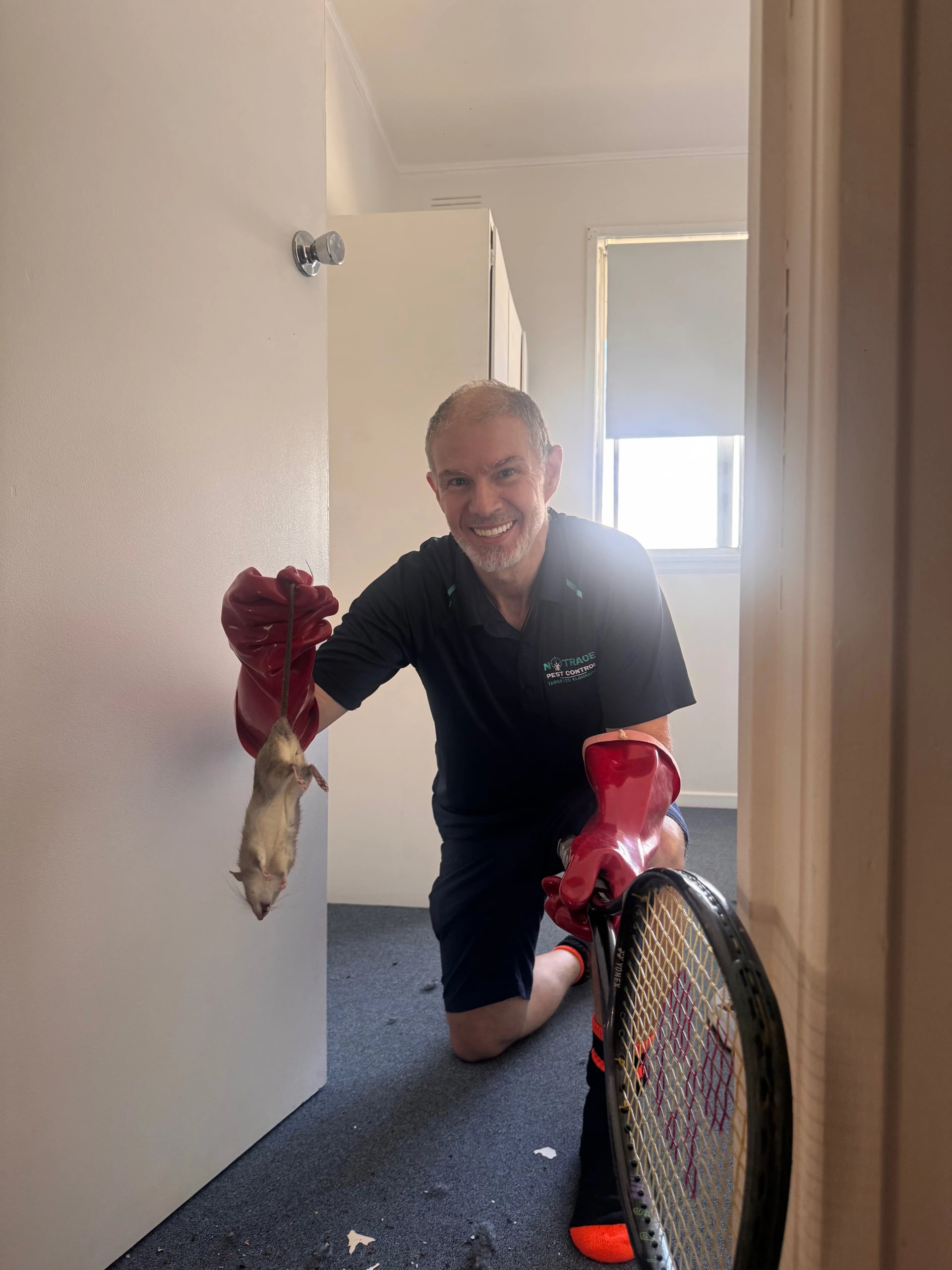
Many people buy a holiday home in Hervey Bay for weekends, fishing trips, whale season, or future retirement plans. The problem is that vacant homes can quickly become attractive real estate for rodents.
I've inspected plenty of holiday properties where owners arrived expecting a relaxing break only to discover chewed wiring, damaged furniture, foul smells, droppings throughout the kitchen, and thousands of dollars in repairs.
The longer a property sits empty, the greater the opportunity for rats and mice to move in unnoticed.
In Hervey Bay's warm coastal climate, rodents can remain active year-round. A small problem can become a major infestation before the owner even realises there's an issue.
Why Rodents Love Vacant Holiday Homes
Unoccupied homes provide exactly what rodents are looking for:
- Minimal human disturbance
- Plenty of hiding places
- Roof voids and wall cavities
- Stored furniture and belongings
- Potential food sources
- Water from leaking pipes or condensation
- Easy access through small gaps
Once rodents establish themselves inside a property, they rarely stay in one area. They explore the entire building looking for shelter, nesting materials, food, and water.
A mouse can enter through a surprisingly small gap, while rats can squeeze through openings many property owners would never suspect.
The Most Common Rodents Found in Hervey Bay Holiday Homes
Roof Rats
Roof rats are extremely common throughout coastal Queensland.
They are excellent climbers and often enter via:
- Overhanging tree branches
- Rooflines
- Gutters
- Utility cables
- Roof void access points
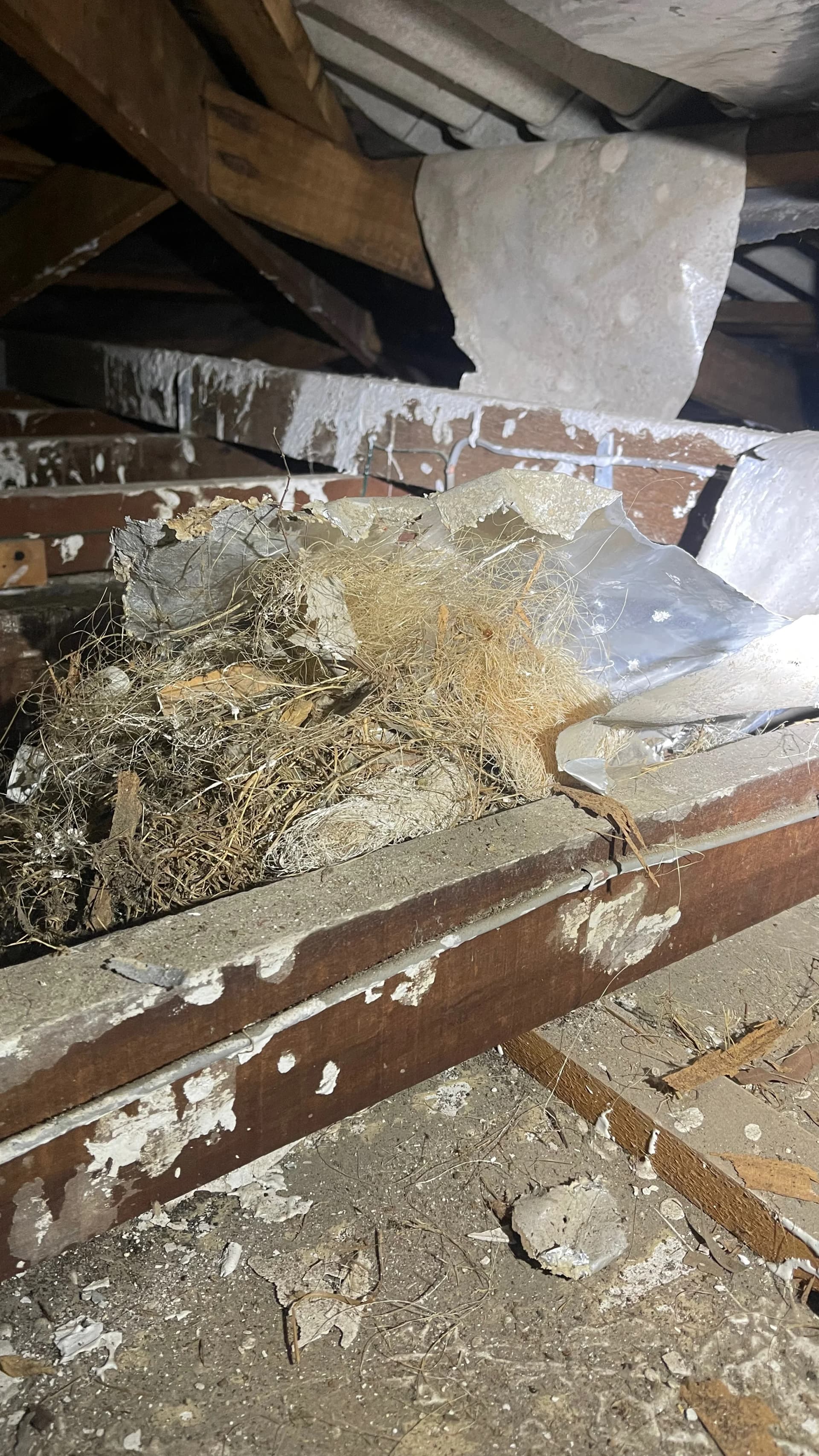
Once inside, they commonly nest in roof spaces and wall cavities.
House Mice
Mice are smaller than rats but can be even more destructive in holiday homes.
Because they need very little food and water, they can survive in properties that appear completely empty.
Mice frequently nest:
- Behind kitchen cupboards
- Inside lounges
- Under appliances
- Inside stored boxes
- In wardrobes and cupboards
Electrical Damage Can Be Extremely Expensive
One of the most serious rodent problems is electrical damage.
Rodents constantly chew to keep their teeth worn down. Unfortunately, electrical wiring is often a target.
Common damage includes:
- Chewed power cables
- Damaged lighting circuits
- Internet and communication wiring
- Air-conditioning wiring
- Solar system cabling
- Security system wiring
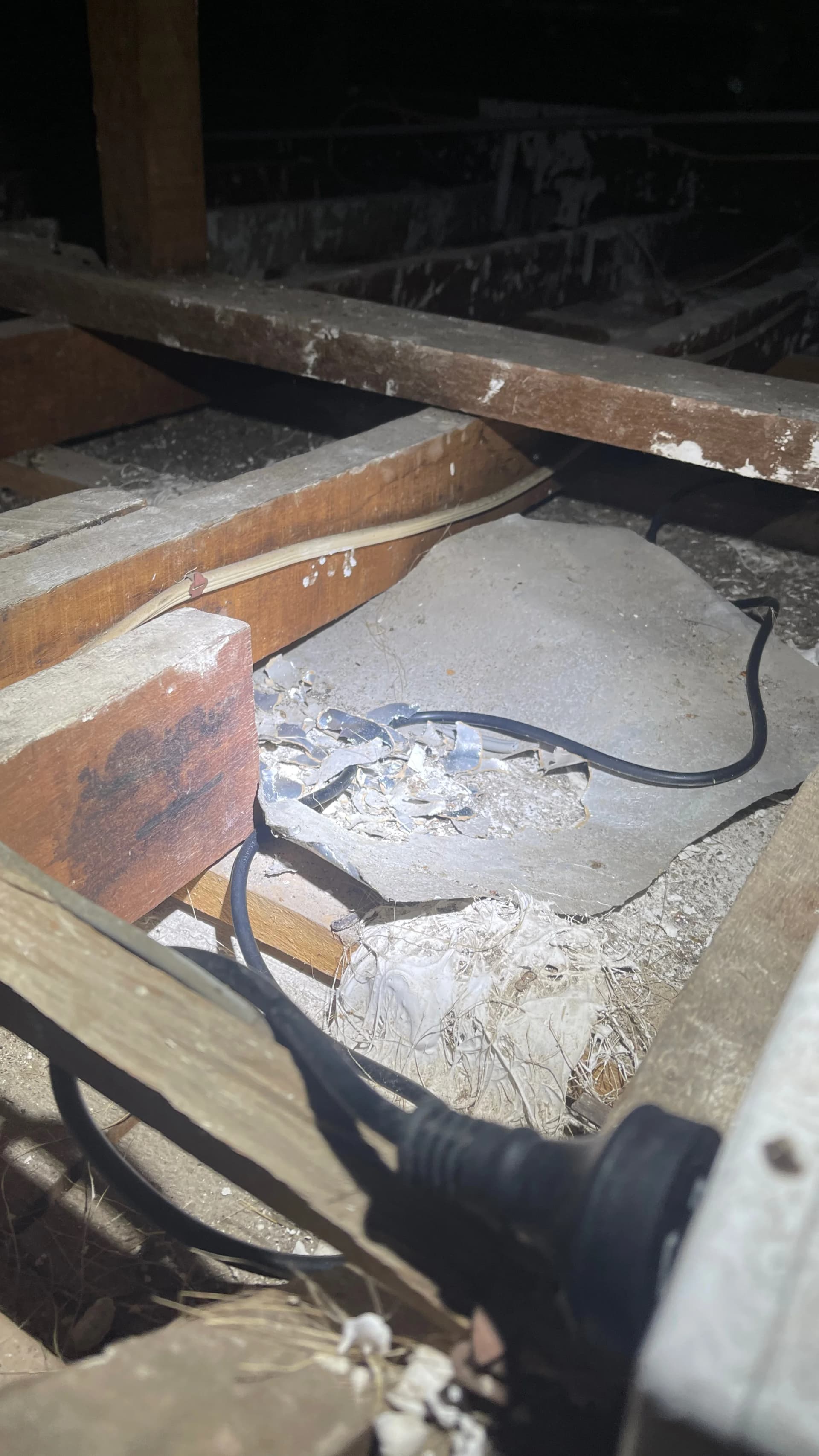
A single chewed cable can create:
- Electrical faults
- Appliance failure
- Power outages
- Fire hazards
I've seen holiday homeowners spend thousands of dollars replacing wiring that rodents damaged while the property sat vacant for only a few months.
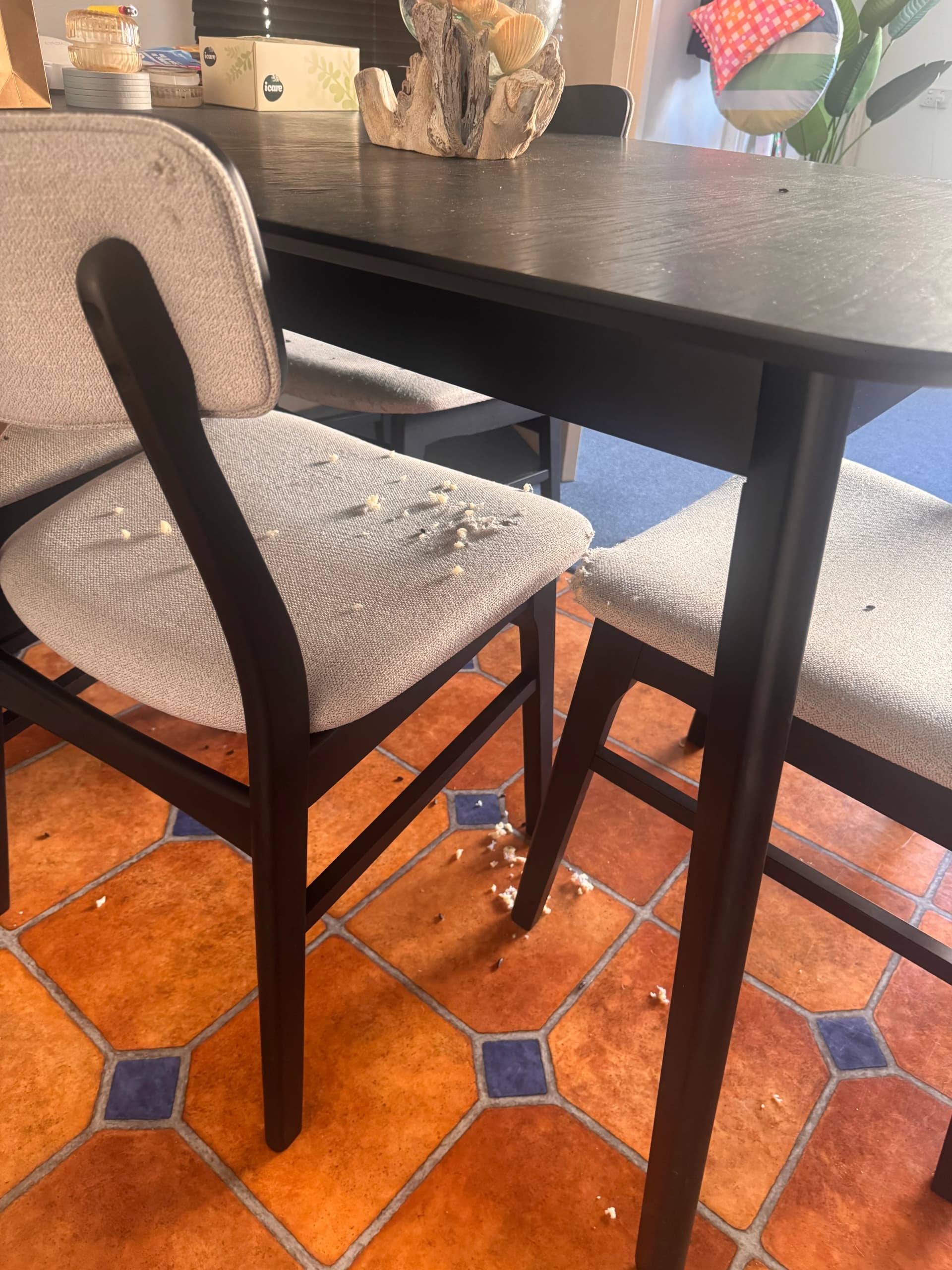
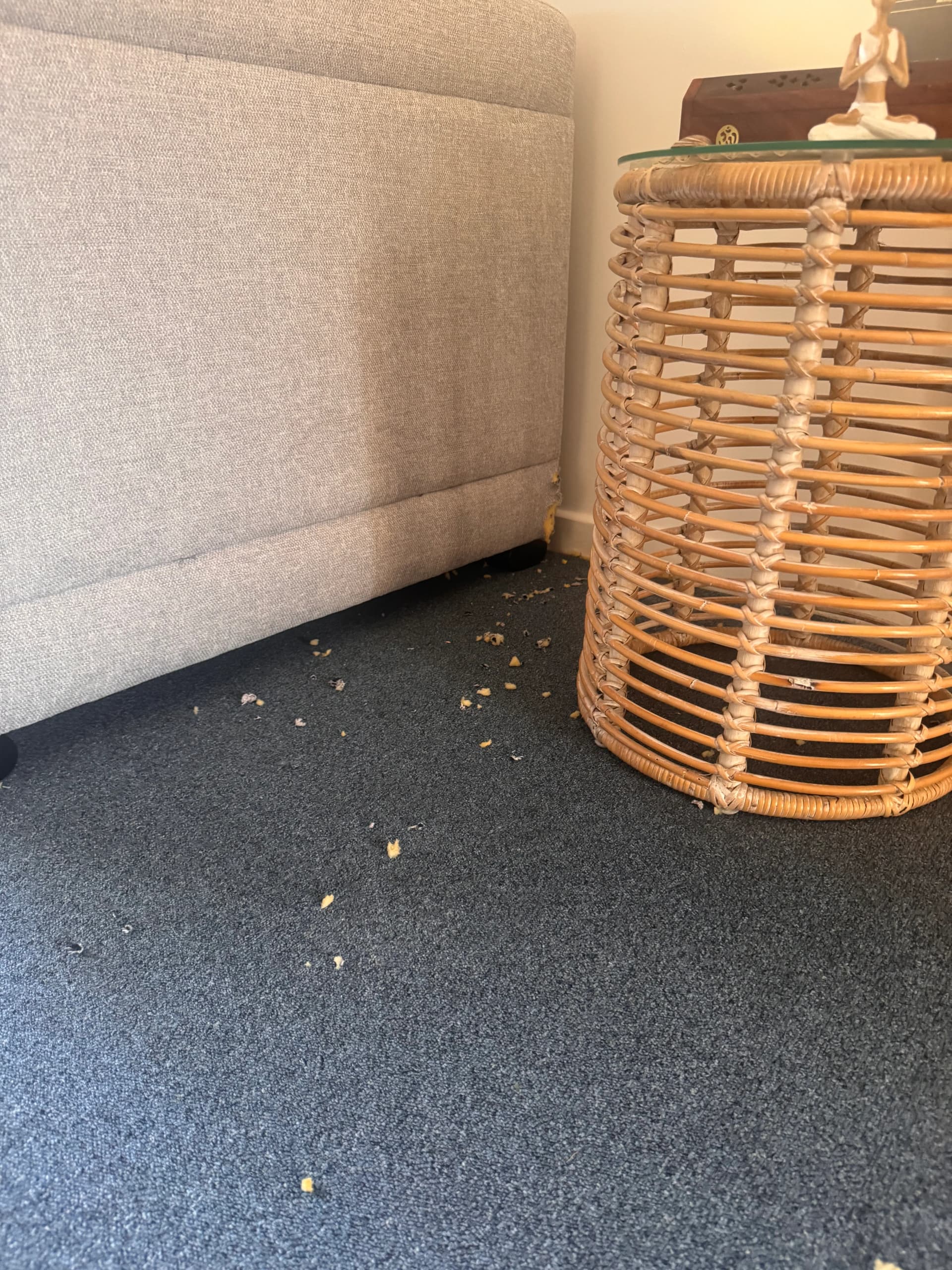
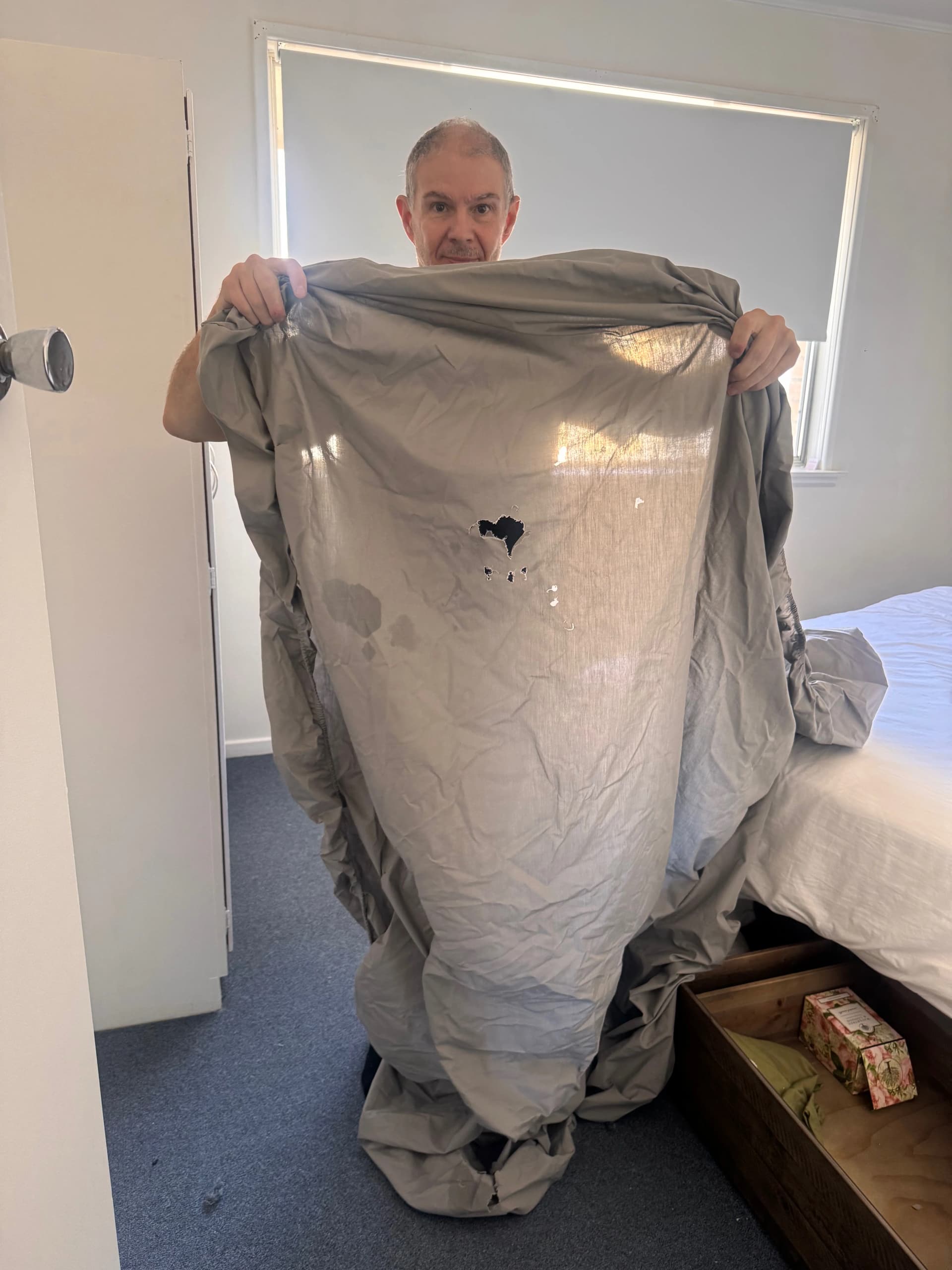
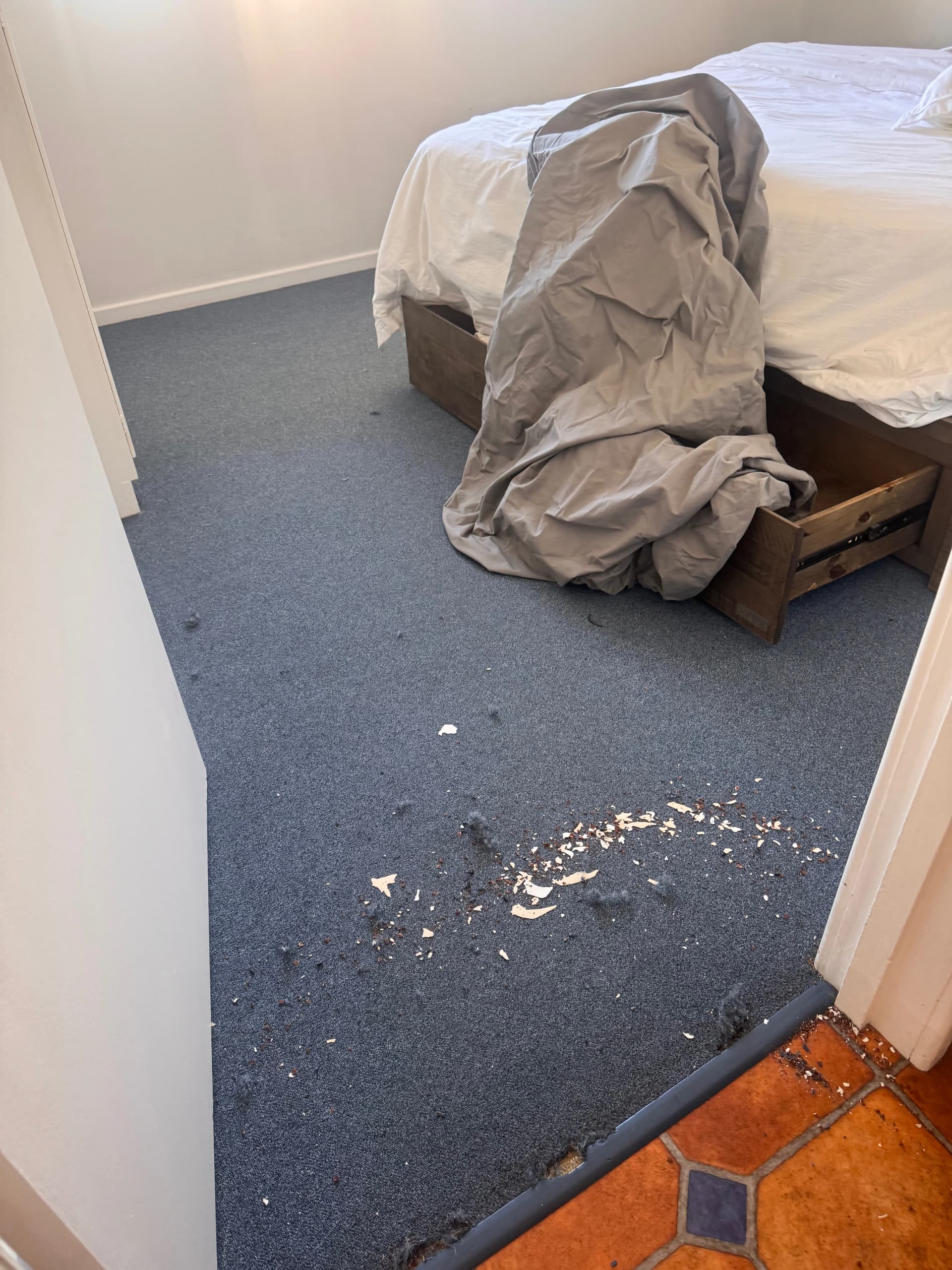
Damage to Furniture and Soft Furnishings
Rodents don't just chew wires.
They regularly damage:
- Lounges
- Mattresses
- Curtains
- Carpet
- Clothing
- Stored linen
- Outdoor furniture cushions
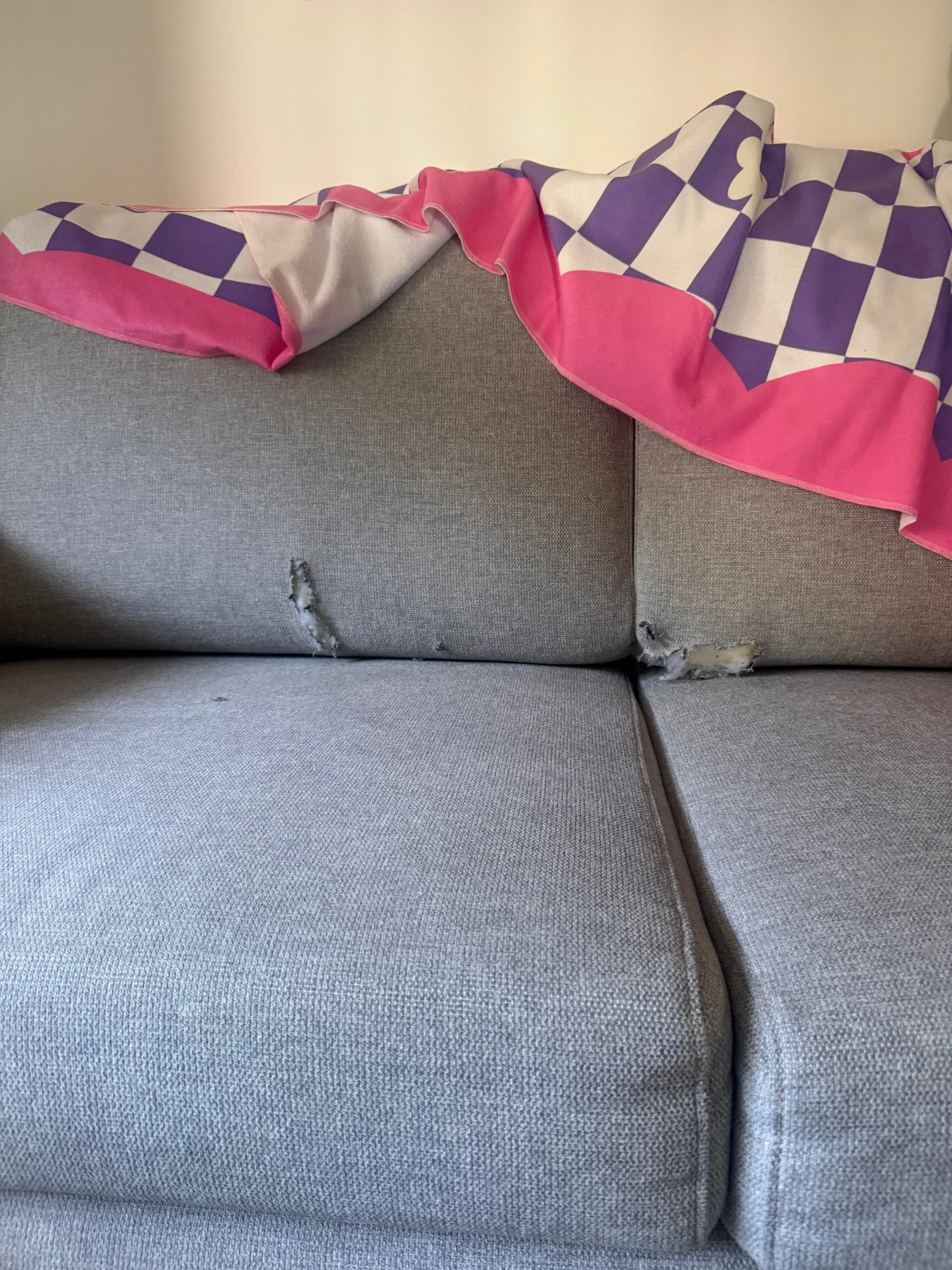
Many owners leave spare bedding and furniture in holiday homes. Unfortunately, these materials make excellent nesting resources.
Rodents will shred fabrics into nesting material and contaminate everything with urine and droppings.
Contamination of Kitchens and Food Storage Areas
Even if you think you've removed all food before leaving, rodents are incredibly resourceful.
They can survive on:
- Crumbs
- Pet food
- Stored dry goods
- Insects
- Organic debris
Signs of kitchen contamination often include:
- Droppings in cupboards
- Gnaw marks on packaging
- Strong odours
- Grease marks along walls
- Food contamination
The clean-up process is often more extensive than property owners expect.
Roof Void Damage
The roof space is one of the most common nesting areas in holiday homes.
Rodents can damage:
- Insulation
- Ducting
- Stored items
- Timber structures
- Electrical installations
Contaminated insulation may require complete replacement if significant rodent activity has occurred.
Water Damage and Plumbing Issues
Rodents occasionally chew:
- Plastic plumbing pipes
- Irrigation lines
- Water filters
- Flexible hose connections
A slow leak can go unnoticed for months in an unoccupied property.
The result may be:
- Mould growth
- Timber damage
- Swollen cabinetry
- Moisture problems
- Secondary pest issues
The Health Risks of Rodent Infestations
Rodents aren't just destructive.
Their presence can create health concerns through:
- Urine contamination
- Droppings
- Parasites
- Fleas
- Bacteria spread across surfaces
In vacant properties, contamination often accumulates for extended periods before anyone notices.
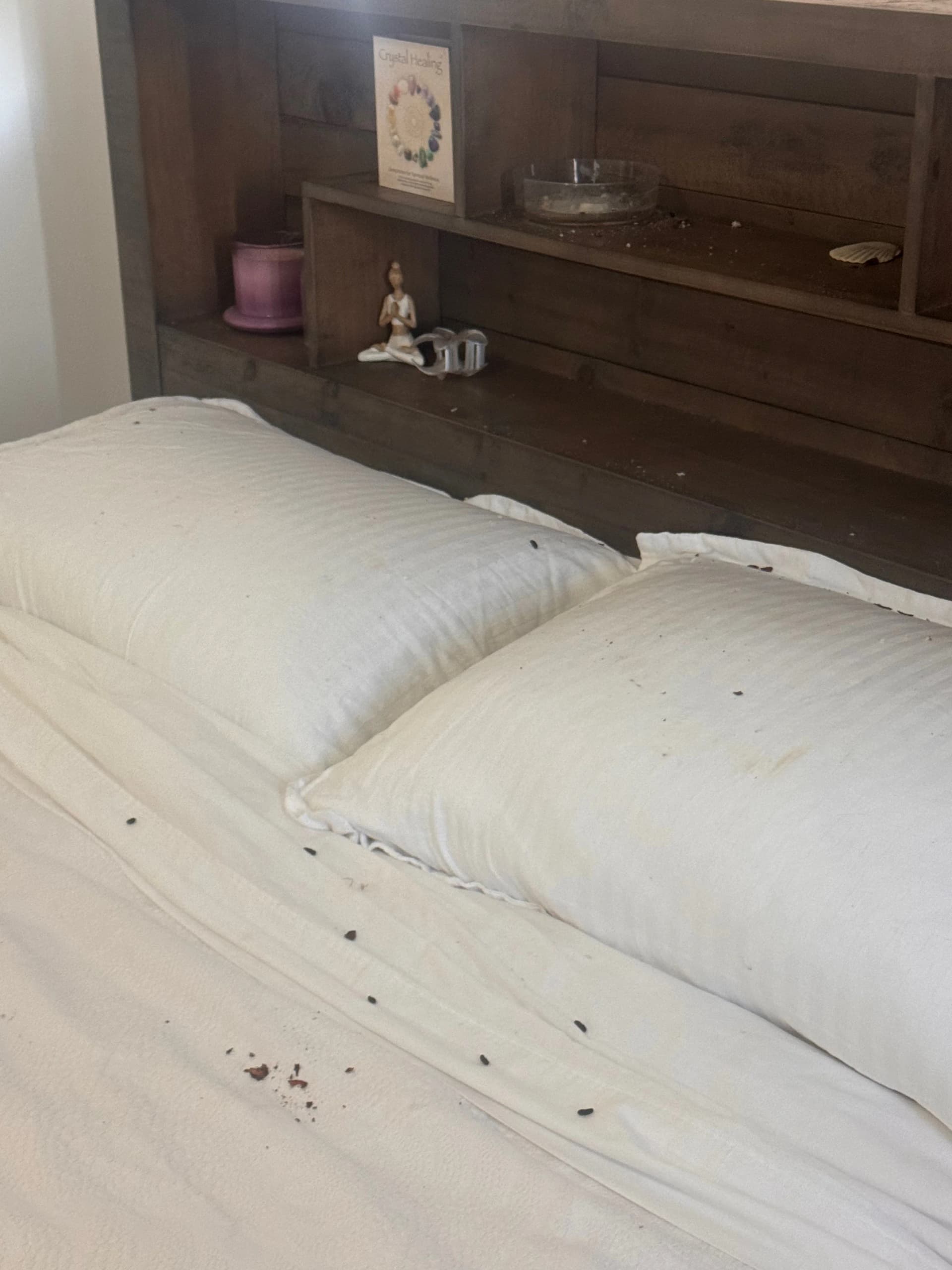
Why Rodent Problems Escalate Quickly in Vacant Homes
The biggest challenge with holiday homes is time.
A rodent problem discovered immediately may be minor.
A rodent problem left undetected for three to six months can become a large-scale infestation.
Without regular inspections:
- Entry points remain open
- Nesting continues
- Breeding occurs
- Damage accumulates
- Repair costs increase
Practical Ways to Protect Your Holiday Home
Integrated Pest Management focuses on prevention before treatment.
Seal Entry Points
Inspect and seal:
- Wall penetrations
- Pipe entries
- Roof gaps
- Garage door edges
- Vents
- Utility access points

Remove Food Sources
Before leaving:
- Empty pantries
- Remove pet food
- Store dry goods securely
- Clean kitchen surfaces thoroughly
Trim Vegetation
Keep trees and shrubs away from:
- Rooflines
- Gutters
- External walls
This reduces easy access routes for roof rats.
Schedule Regular Property Checks
Ask a:
- Property manager
- Neighbour
- Friend
- Family member
to inspect the property periodically.
Early detection saves money.
Install Monitoring Devices
Monitoring helps identify activity before major damage occurs.
When Professional Rodent Control Is Worth It
If a property will be vacant for extended periods, professional rodent management can provide an additional layer of protection.
A professional inspection may identify:
- Hidden entry points
- Existing rodent activity
- Roof void infestations
- Structural vulnerabilities
Professional rodent programs typically focus on:
- Inspection
- Monitoring
- Exclusion
- Targeted control measures
- Ongoing prevention
Recommended Holiday Home Protection Products
Rodent-Proof Storage Containers
Use sealed containers for:
- Linen
- Documents
- Clothing
- Stored household items
Door Seals and Gap Fillers
Reducing access points remains one of the most effective prevention strategies.
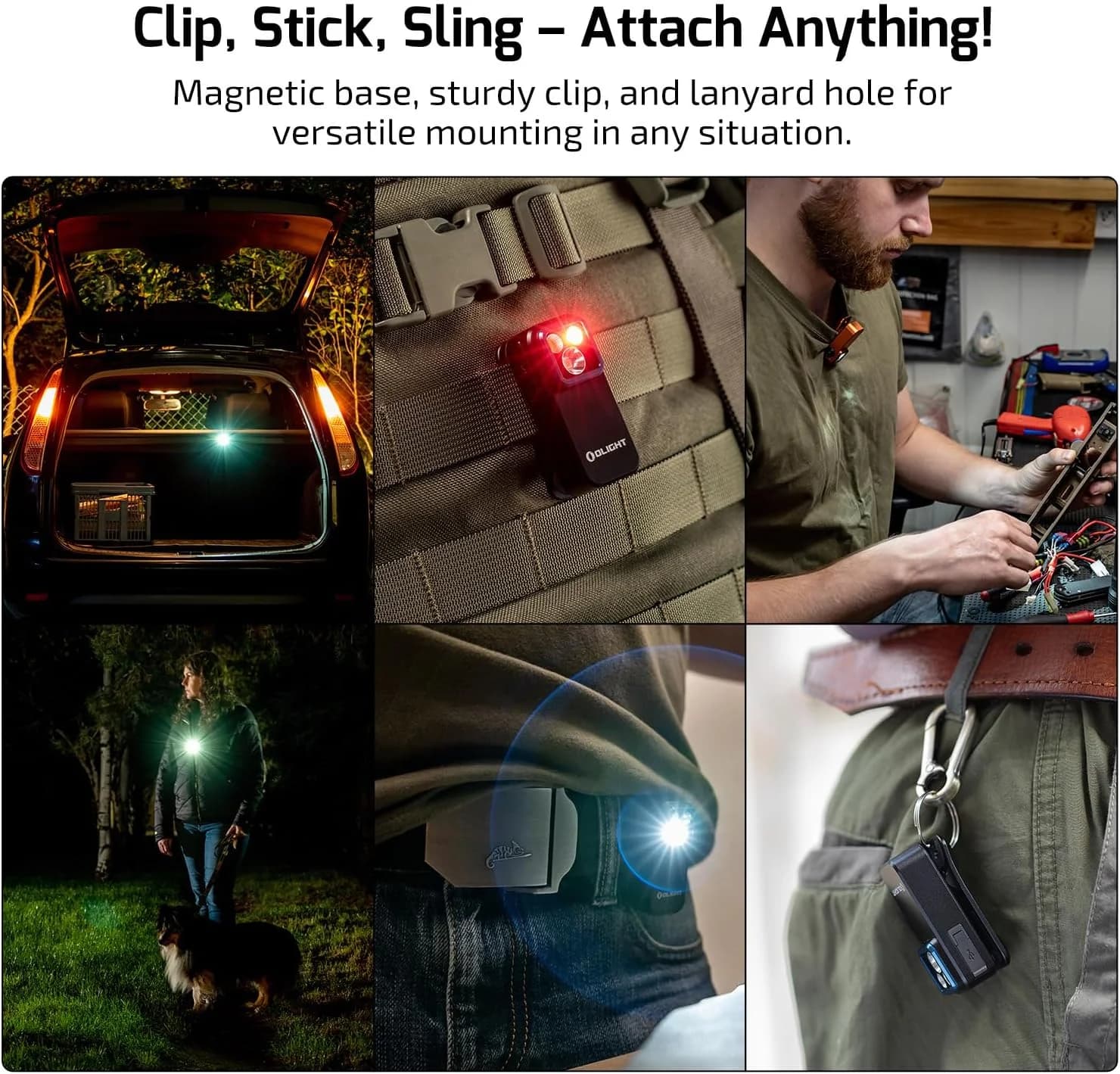
Inspection Torch
A quality torch makes it easier to inspect:
- Roof voids
- Garages
- Storage areas
- Under sinks
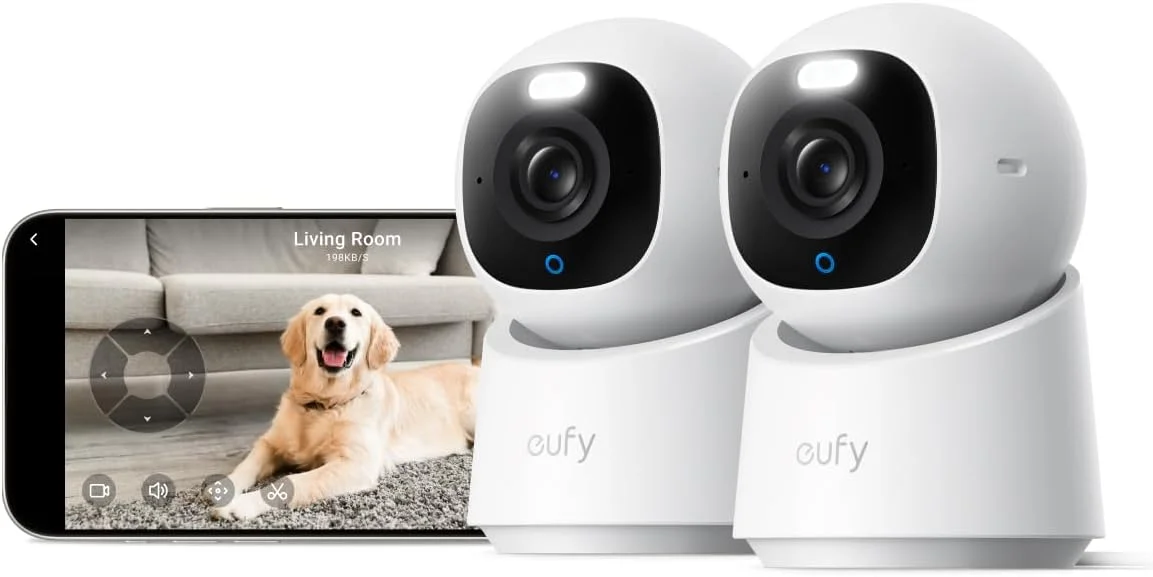
Security Camera Monitoring
Remote cameras can help detect activity between visits.
The Cost of Prevention vs The Cost of Repairs
Many owners hesitate to spend a small amount on prevention.
Yet rodent damage commonly leads to costs such as:
- Electrical repairs
- Insulation replacement
- Furniture replacement
- Professional cleaning
- Pest control treatments
- Property restoration
Preventing access is almost always cheaper than repairing damage after rodents establish themselves.
Final Thoughts
Rodents can turn a perfectly maintained holiday home into a costly repair project surprisingly quickly.
In Hervey Bay, where many properties sit vacant for extended periods, regular inspections and proactive rodent-proofing are some of the smartest investments a property owner can make.
The earlier rodent activity is detected, the easier and less expensive it is to manage.
Frequently Asked Questions
How quickly can rodents damage a vacant holiday home?
Damage can begin within days of rodents gaining access. Electrical wiring, insulation, furniture, and stored belongings are often affected first.
Are roof rats common in Hervey Bay?
Yes. Roof rats are widespread throughout coastal Queensland and are one of the most common rodents found in holiday homes and roof voids.
Can rodents cause house fires?
They can. Chewing electrical wiring may expose conductors and increase fire risk.
How often should I inspect my holiday home?
Ideally every few weeks. If that's not possible, arrange regular inspections through a trusted property manager or family member.
What are the first signs of rodents in a vacant property?
Common indicators include droppings, scratching noises, gnaw marks, nesting material, grease marks, and unusual odours.
Should I use DIY rodent control or hire a professional?
Minor activity may be managed with monitoring and exclusion. Larger infestations, recurring activity, roof void infestations, or significant property damage are usually best handled through professional inspection and treatment.
Need pest control help?
I'm here to help with all your pest control needs on the Hervey Bay & Fraser Coast. Get in touch for a free quote.