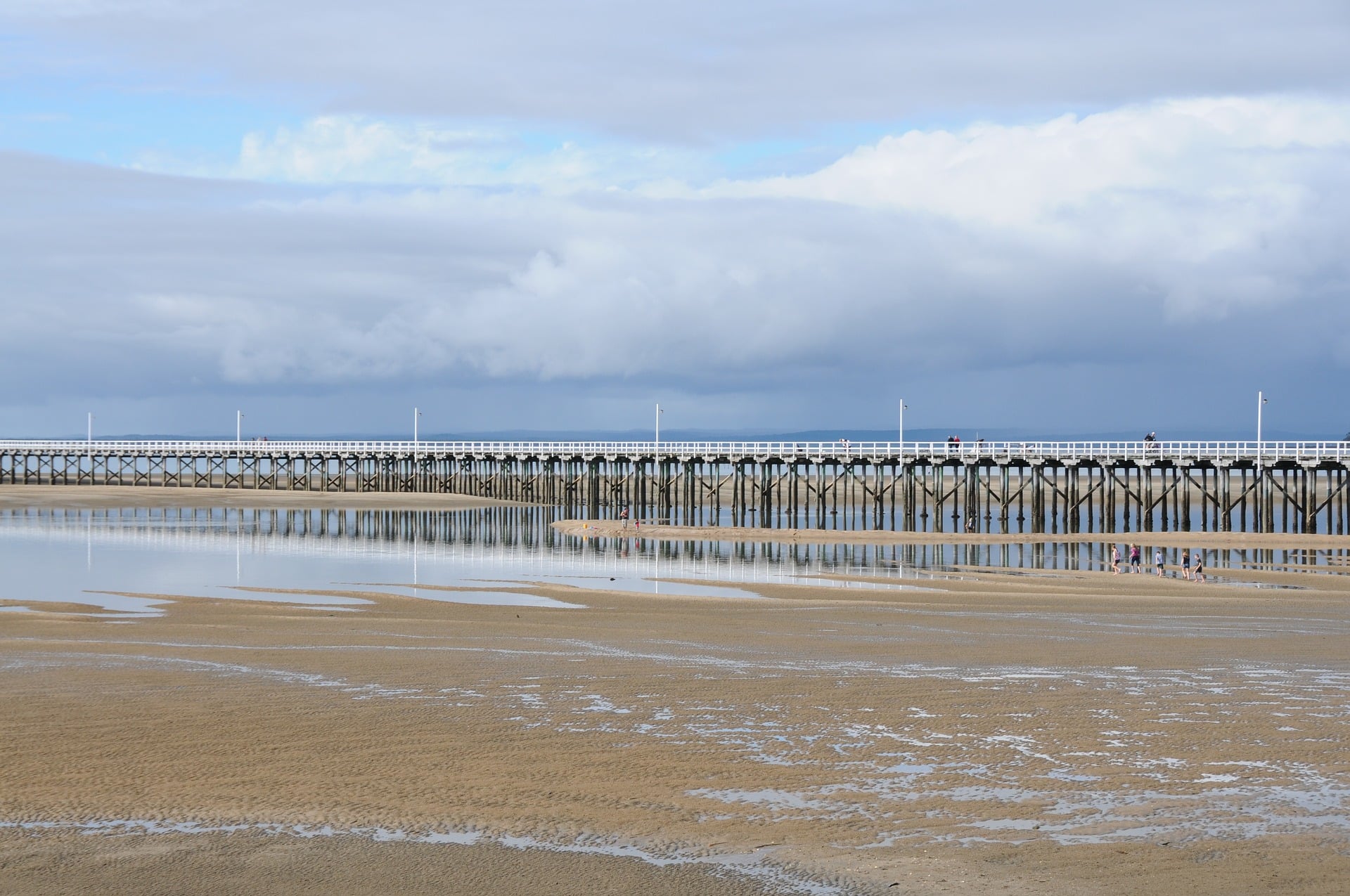
Hervey Bay is a coastal paradise, but for anyone living in River Heads, Booral or Urangan, the arrival of "biting season" can turn a backyard BBQ into a battleground. From the invisible sting of the "No-See-Um" to the aggressive drone of a March Fly, biting insects are more than a nuisance—they are a threat to our outdoor lifestyle.
If you are tired of retreating indoors the moment the sun starts to set, this guide is for you. We’ll break down the specific "hotspots" found in the Fraser Coast region and provide a professional blueprint for keeping them away from your home.
1. The "Triple Threat" of the Fraser Coast
To effectively clear your property, you first need to identify the enemy. In Queensland, we deal with three primary culprits.
The Biting Midge (Sandflies)
Commonly called "sandflies," these are tiny flies from the Ceratopogonidae family.
- The Problem: They are so small (1–3mm) that they can fly through standard flyscreens.
- The Bite: You often don't feel it immediately, but it develops into an intensely itchy, red welt.
- Hotspots: River Heads is notorious as the worst spot in the region due to its proximity to the Mary River and Susan River estuaries. Booral and the Urangan Foreshore also see high prevalence, especially during evening walks.
Beurer BR60 Insect Bite Healer
Good Riddance Sensitive Insect Repellent
Good Riddance Tropical Insect Repellent
The "Yellow-Head" March Fly
If you’ve been bitten by something that felt like a hot needle and noticed a fly with yellowish eyes and a stout body, you’ve met the March Fly.
- The Problem: They are visual hunters attracted to dark colours and movement.
- The Bite: They use scissor-like mouthparts to cut the skin. They are persistent and will chase you.
- Hotspots: Most common along beaches, dunes, and bushland edges during the warmer months (September to April). While they don't have suburb-specific peaks, the coastal tracks around Urangan and Dundowran are prime territory on sunny days.
Mosquitoes
The most dangerous of the bunch due to the risk of Ross River and Barmah Forest Viruses.
- The Problem: Highly active at dawn and dusk.
- Hotspots: * River Heads: Residents often report feeling "trapped" by swarms due to the vast mangrove systems.
- Urangan (Foreshore Drive): A frequent area for complaints along the coastal paths.
- Booral: The mangrove proximity creates a permanent breeding ground.
2. Why Hervey Bay is a Breeding Ground
Our geography—a mix of sandy beaches, extensive mangrove systems, and tidal mudflats—is a five-star resort for biting insects.
While the Fraser Coast Council monitors and traps weekly, focusing their treatment on larvae in public tidal zones, this doesn't always stop the swarms from migrating into residential backyards. When we experience "King Tides," the water reaches high into the salt marshes, triggering a massive hatch. This is why the problem often feels "cyclical."
3. How to Mitigate the Problem: The Professional Strategy
Layer 1: Backyard Sanitation
- The 7-Day Rule: Every weekend, walk your property. Empty pot plant saucers, birdbaths, and old tyres.
- Bromeliads: These are popular in Hervey Bay gardens, but the "cups" hold water. Flush them out frequently to disrupt larvae.
- Gutter Maintenance: Ensure leaves aren't trapping stagnant water on your roof.
Layer 2: Landscape Modification
- Thin the Canopy: If your yard is a "jungle" of low-hanging shrubs, you are providing a humid, wind-free sanctuary for midges. Prune the lower branches to allow the sea breeze to blow through.
- Mow Low: Long grass traps moisture. Keep your lawn short to discourage March Flies from resting there.
Layer 3: Professional Barrier Treatments
When DIY methods aren't enough, professional intervention is required. Modern pest control uses Residual Barrier Treatments to create a "shield" around your home.
A licensed technician applies a specialised treatment to the exterior surfaces where these insects rest—under patio roofs, along fences, and on the underside of foliage.
- How it works: When a mosquito or midge lands on the treated surface, they pick up a lethal dose.
- Longevity: These treatments can remain effective for up to 6 weeks.
For residents in high-pressure areas like River Heads and Booral, scheduling your professional pest treatment a few days before the full or new moon is the best way to get ahead of the midge emergence cycle.
4. Personal Protection Tips for the Bay
- The "Fan" Trick: Most biting insects are weak fliers. Use a pedestal fan on your deck to keep them at bay.
- Timing: Avoid the Urangan foreshore and Booral areas during dawn and dusk when activity is highest.
- Clothing: Wear light-colored, loose clothing. March Flies are specifically attracted to dark blues and blacks.
Summary Checklist for Residents
| Pest | Peak Season | Best Defence |
| Midges | Year-round (Moon peaks) | Barrier Sprays & Airflow |
| Mosquitoes | Summer / Post-Rain | Eliminate standing water |
| March Flies | Sept – April | Light-coloured clothing |
Don't let the "Buzz" dictate your lifestyle. If you're tired of the itch, explore our NoTrace Mosquito and Midge solutions and take back your backyard today.
Need pest control help?
I'm here to help with all your pest control needs on the Hervey Bay & Fraser Coast. Get in touch for a free quote.