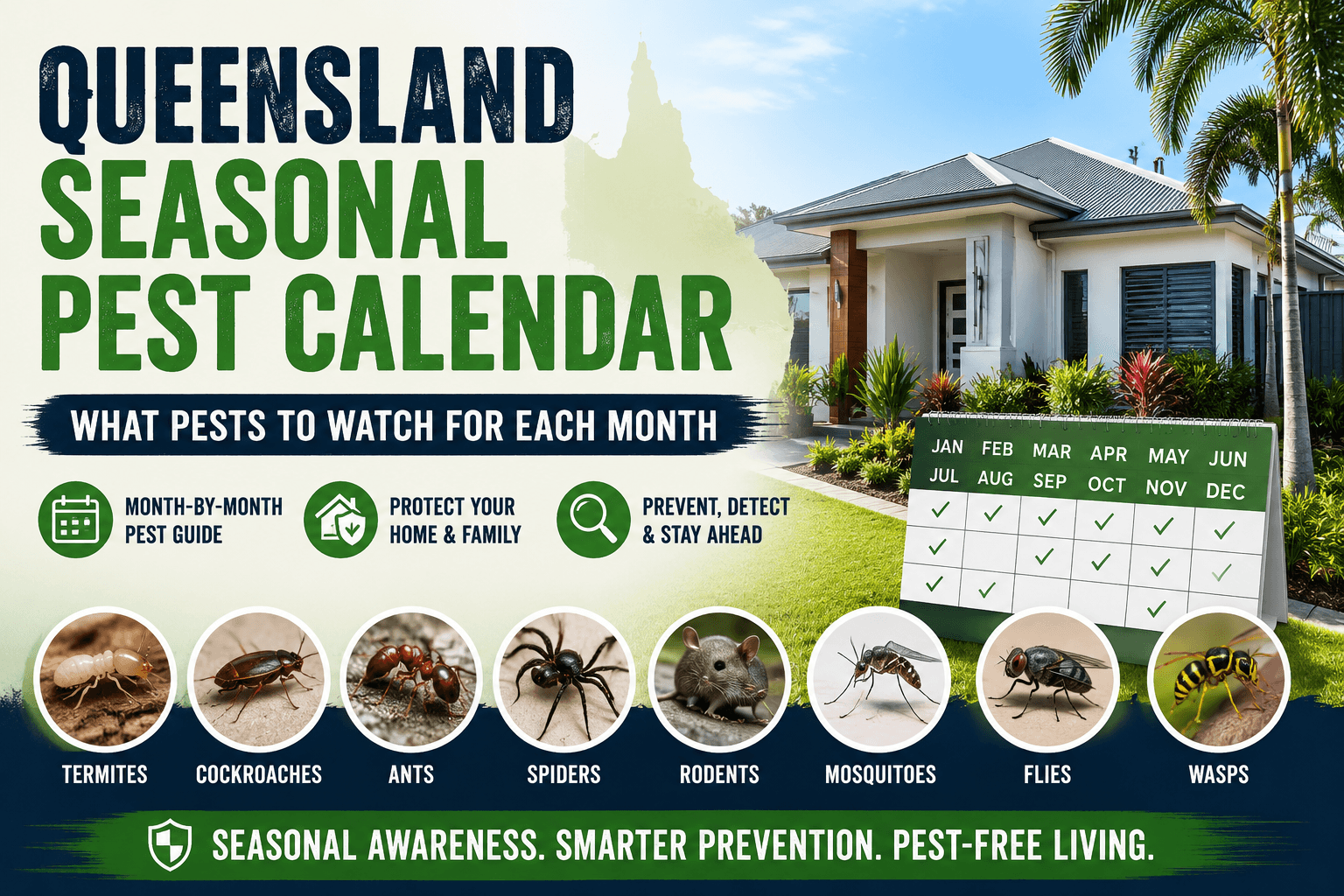
Queensland pest problems change with the weather. Some pests love heat and humidity. Some build up after rain. Others become more noticeable when the nights cool down, and they start looking for shelter inside roof voids, sheds, garages and wall cavities.
That is why a Queensland seasonal pest calendar is handy. It gives homeowners a simple way to stay ahead of pest activity instead of waiting until cockroaches are running across the kitchen, ants are trailing through the pantry, rodents are scratching in the ceiling, or mosquitoes are making the backyard unusable.
The main thing to remember is this: good pest control is not just spraying and hoping for the best. The best results come from Integrated Pest Management, which means inspecting properly, identifying the pest, reducing food and water sources, sealing entry points, improving hygiene, managing moisture, reducing harbourage and using targeted treatment only where it is needed.
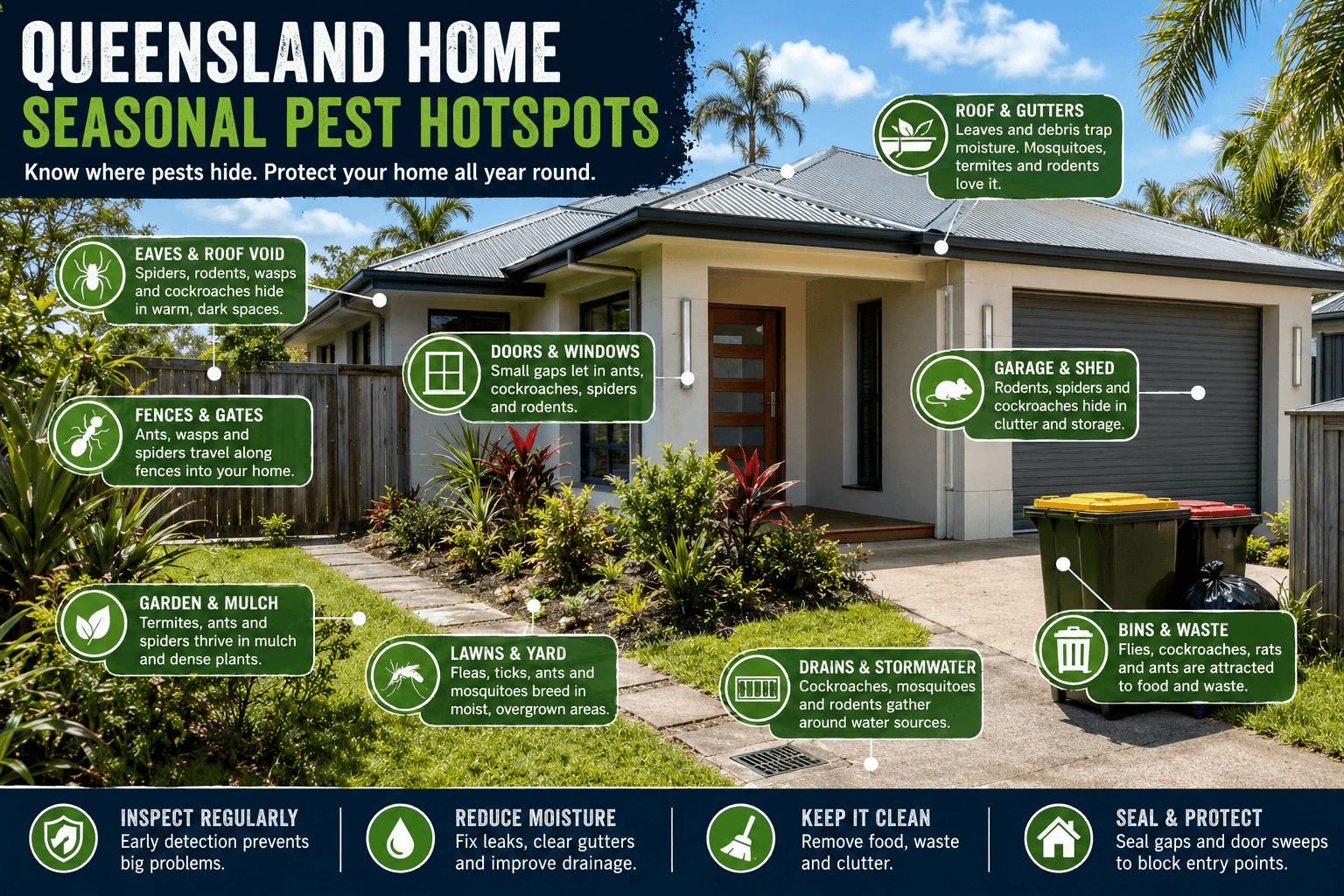
Why Queensland Homes Deal With Pests All Year
Queensland gives pests a pretty easy run. We have warm temperatures, long humid periods, heavy rain in many areas, coastal environments, leafy gardens, roof voids, wall cavities, subfloors, outdoor kitchens, bins, pet bowls, compost and plenty of little gaps around homes.
Summer usually brings the biggest lift in insect activity. Cockroaches, ants, mosquitoes, midges, flies, fleas, spiders and termites can all be more active through the warmer months. Autumn is often when ants, rodents and late-season cockroach activity become more noticeable. Winter is quieter outside, but rodents, silverfish, pantry pests and textile pests can still be ticking away indoors. Spring is the ramp-up period, when nests expand, insect numbers build, and termite pressure becomes more obvious.
This calendar is written for Queensland homes, especially Brisbane, Hervey Bay, the Fraser Coast and South East Queensland. Local conditions still matter, so treat it as a practical guide rather than a strict rulebook.
January: Mosquitoes, Midges, Fleas, Flies, Ants and Termites
January is peak summer pest season in Queensland. The heat, rain and humidity create excellent breeding conditions for a lot of insects.
Mosquitoes can increase quickly after rain because standing water gives them breeding sites. Queensland Health notes that Ross River virus and Barmah Forest virus are among the most common mosquito-borne illnesses in Queensland, and avoiding mosquito bites is the key prevention step.
Around the house, check pot plant saucers, buckets, tarps, roof gutters, bird baths, kids’ toys, old tyres and anything else that can hold water. Tip water out, store items undercover or drill drainage holes where practical.
In coastal areas like Hervey Bay and the Fraser Coast, biting midges can be just as frustrating as mosquitoes. They are often worse near mangroves, tidal flats, waterways, sheltered vegetation and shaded outdoor areas.
Fleas can flare up in January, too, especially where pets rest in shaded areas. Flies build up around bins, pet waste, compost, overripe fruit and outdoor eating areas. Ants are often trailing inside for food or moisture. Termites remain a serious concern, especially where leaks, poor drainage, timber contact or damp garden beds are present.
January jobs around the home
Start outside. Empty water-holding containers, trim dense vegetation, clean bins, remove pet waste, keep lawns under control and improve airflow around the building.
Inside, store food in sealed containers, wipe benches at night, keep pantry shelves clean and avoid leaving pet food out overnight.

February: Termites, Wasps, Mosquitoes and Cockroaches
February is still hot, humid and storm-prone in many parts of Queensland. Pest pressure can be high.
Termites are a big one to watch. Moisture around the home can make conditions more favourable, especially if there are leaking taps, blocked drains, poor subfloor airflow, wet mulch against walls or timber stored against the building.
Look for mud leads, blistered paint, soft skirting boards, tight doors, hollow-sounding timber or damp patches around timber areas. If you suspect termites, do not break open the workings or spray them. Disturbing termites can make them retreat and make proper assessment harder. Termites are a professional job because the risk is structural.
Wasps can also become more noticeable in late summer. Paper wasps often build nests under eaves, pergolas, fence rails and outdoor furniture. Some wasp nests are easy to see, but others can be hidden in wall cavities, roof voids or the ground. DIY wasp nest removal can be risky, especially if the nest is large, hidden or close to people.
Read more about wasp nest removal
Cockroaches are very active in February. Kitchens, bathrooms, laundries, drains, bin areas and warm appliances are common harbourage zones. Seeing cockroaches during the day can be a sign that there is heavier pressure hidden away.
March: Ants, Cockroaches, Flies and Pantry Pests
March often brings warm days, humidity and rain. Ants may trail indoors looking for food, water or more stable nesting sites.
The best ant control does not start with spraying every ant you see. Start by working out where they are coming from, what they are feeding on and whether the nest is inside or outside. Good ant prevention includes sealing entry points, keeping food sources cleaned up, reducing clutter and fixing moisture problems. For minor ant problems, targeted registered household baits can be useful when the ant species and feeding preference are correctly identified.
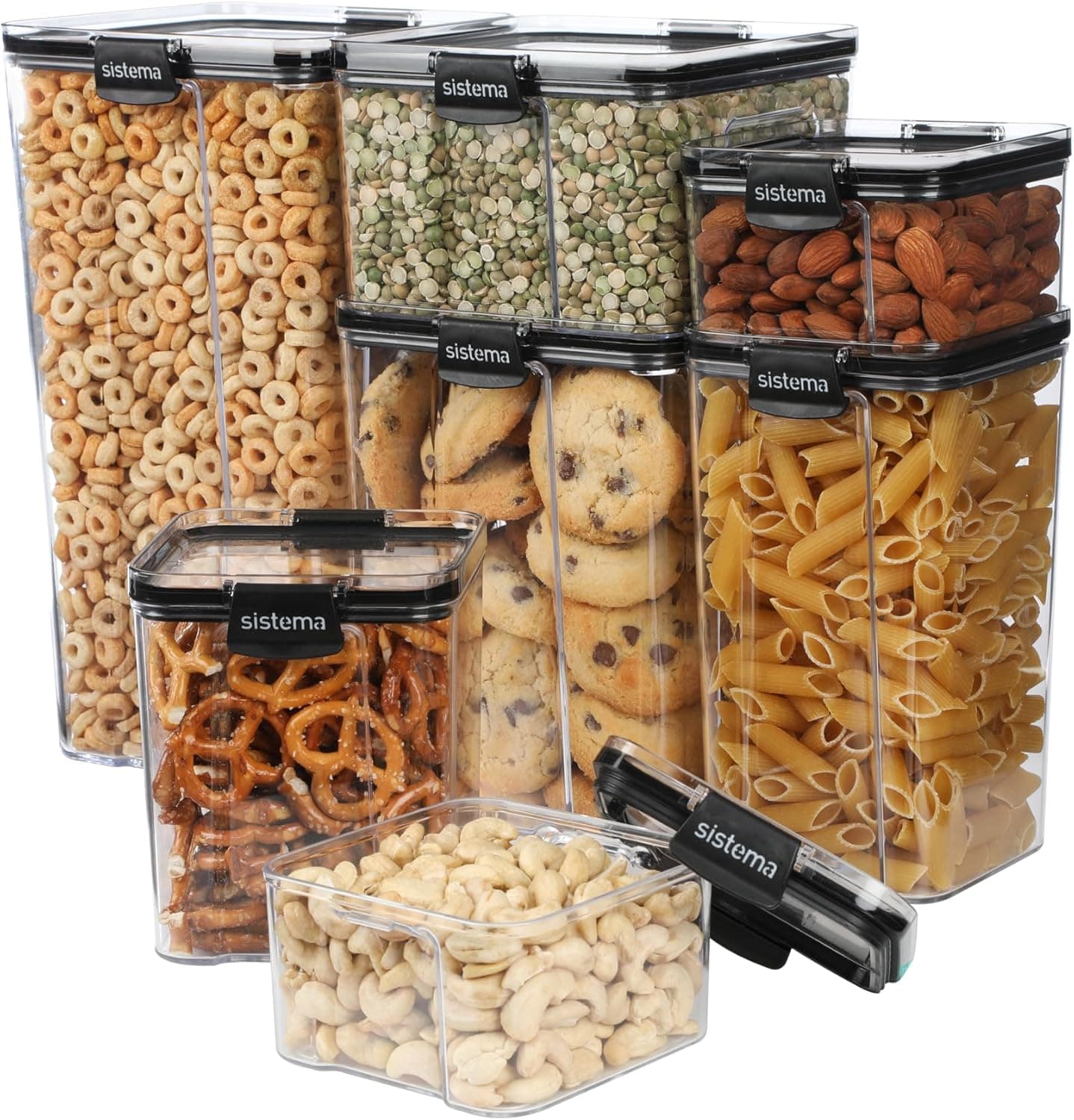
Pantry pests can also show up around this time. Pantry moths, weevils, beetles and mites often come into the home through infested packaged food, then spread through other dry goods.
Read more about crawling insects
Check flour, rice, cereal, pasta, pet food, seeds, nuts, spices and old packets at the back of the pantry. Throw out infested items, vacuum shelves thoroughly, and move dry goods into sealed containers.
April: Rodents Start Testing Entry Points
April is when some Queensland homes start noticing rodent activity. Nights begin to cool, and rats or mice may look for shelter, food and nesting spots.
Common rodent areas include roof voids, wall cavities, garages, sheds, outdoor kitchens, subfloors and cluttered storage areas. Signs include scratching at night, droppings, gnaw marks, greasy rub marks, shredded nesting material and pet food disappearing.
Rodent control is not just putting bait out. A proper approach includes inspection, entry-point sealing, sanitation, trapping or baiting where appropriate, and follow-up checks. Rats and mice can squeeze through small gaps, so exclusion is one of the most important steps.
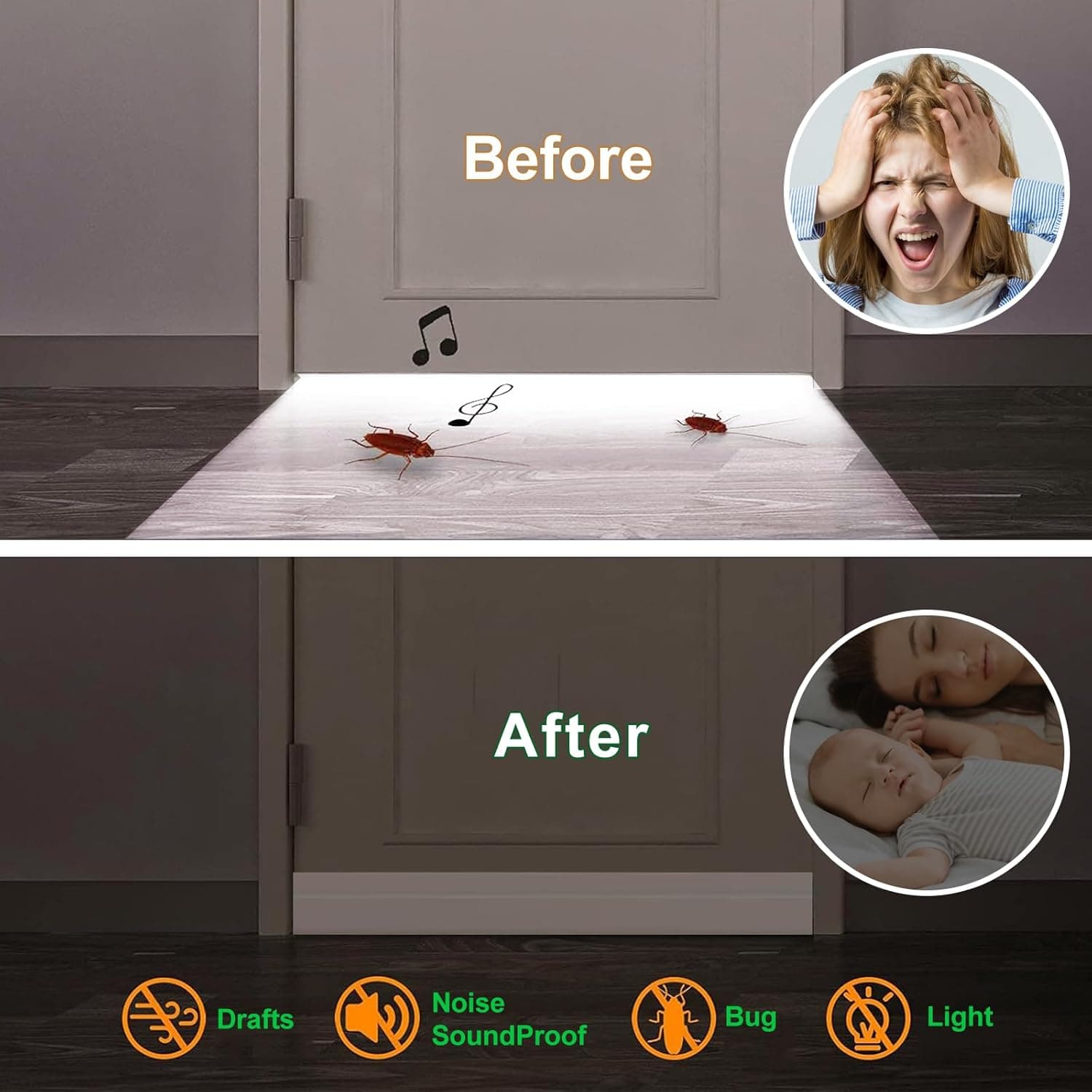
Check garage door gaps, pipe penetrations, broken vents, gaps around air-conditioning lines and spaces under external doors. Also, check pet food storage. Open bags of dog food or bird seed are a rodent invitation.
May: Rodents, Silverfish and Spiders
May is a good inspection month. Rodents may become more obvious, and spiders may be found around eaves, garages, sheds, outdoor furniture and garden edges.
Silverfish can also be active indoors, especially in humid storage areas, bathrooms, wardrobes, bookshelves and linen cupboards. They do not bite, but they can damage paper, books, photographs, wallpaper, clothing and other stored belongings.
To reduce silverfish risk, improve ventilation, fix leaks, avoid storing important items in damp cardboard boxes and use sealed tubs for documents, clothing and keepsakes.


Spiders are often a sign that there is insect prey around. Removing webs helps, but it is only part of the job. Reduce outdoor lighting where practical, keep vegetation trimmed back and remove clutter where spiders can hide.
June: Winter Rodent Pressure and Indoor Pest Checks
June is usually quieter for outdoor insects, but that does not mean the home is pest-free.
Rodents are one of the main winter pest issues. Roof voids and wall cavities provide shelter, and food crumbs, pet food, unsealed pantry items and open bins can keep them active.
This is also a good month to check stored products and fabrics. Pantry pests and textile pests can keep breeding indoors because homes provide stable temperatures and protected storage spaces.
A winter inspection should include the garage, shed, roof void access, under-sink cupboards, linen storage, wardrobes, pantry shelving and external entry points.
Use a torch and look for droppings, webbing, shed skins, damaged packaging, gnawing, moisture stains and insect activity.
July: Quiet Outside, Active Inside
July is a good maintenance month. Pest activity may be lower outside, but indoor pests can still be active.
Look for early warning signs rather than waiting for a full infestation. Insect monitor traps can help show where cockroaches, silverfish or pantry pests are moving. Place them in sensible low-risk monitoring spots such as under the sink, behind the fridge, in the pantry or near storage areas.
This is also a good month to seal gaps. Check door sweeps, window seals, pipe penetrations, weep holes, garage door edges and gaps around air-conditioning lines.
Do not forget moisture. A small leak under a sink or behind a laundry cabinet can support cockroaches, ants, silverfish and termites. Fixing water issues early is one of the best pest prevention steps you can take.
August: Pre-Spring Pest Preparation
August is the month to get ahead of spring. Ants, spiders, cockroaches and termites can start ramping up as temperatures rise.
Walk around the outside of your home and look for conditions that invite pests. Check for timber stored against the house, mulch piled too high, blocked gutters, leaking taps, dense plants touching walls, poor drainage, cracked seals and cluttered storage.
This is also a smart time to book a termite inspection before summer demand ramps up. QBCC advises homeowners to inspect termite management systems regularly and have a licensed pest controller inspect and report on the property every year, or more often in high-hazard areas.
If you have had termites before, have a chemical barrier, baiting system or physical termite management system, check your paperwork and maintenance requirements. A termite management system is not “set and forget”.
September: Termites, Ants and Spiders Ramp Up
September is a key pest month in Queensland. Spring growth begins, insect numbers lift, and pest trails become easier to spot.
Ants may appear around kitchens, bathrooms, outdoor entertaining areas and garden edges. Spiders may increase around outdoor lights, eaves, fences and garden beds as insect prey becomes more available. Termites remain a serious concern, especially where moisture and timber are present.
The best September jobs are simple but valuable. Clear gutters, improve drainage, trim vegetation off walls, seal gaps, reduce outdoor clutter and check moisture-prone areas.
If you see flying insects around lights at night, try to collect a sample or take a clear photo. Flying termites and flying ants can be confused, and correct identification matters.
October: Cockroaches, Spiders, Ants and Early Mosquitoes
October is when general pest activity becomes much more obvious. Cockroaches begin moving more, spiders rebuild webs quickly, ants trail more often, and mosquitoes may increase after rain.
This is a good time for a general pest inspection or preventive treatment before summer pressure peaks.
For cockroaches, the focus should be kitchens, bathrooms, laundries, drains, appliances, roof voids and subfloor areas where suitable. A proper cockroach treatment should include inspection, identifying harbourage areas and entry points, targeted baiting, crack-and-crevice treatment where appropriate and external prevention where needed. Your cockroach service content supports inspection, identifying infestation areas and entry points, gel bait placement, residual treatment to cracks and crevices and external perimeter prevention.
Do not rely on supermarket surface sprays alone for cockroaches. They may kill the ones you see, but they often miss harbourage areas, egg cases and hidden population pressure.
November: Flying Termites, Mosquitoes, Flies and Wasps
November can bring termite swarming, especially around warm, humid evenings after rain. Flying termites are not the same as flying ants, and it is worth getting them identified correctly.
If you see winged insects around lights, window sills, door frames or inside the home, collect a sample in a container or take clear photos. Do not panic, but do arrange an inspection if you suspect termites.
Mosquitoes and flies also become more noticeable in November. Queensland Health advises that mosquito numbers can increase after severe weather because standing water from heavy rain and flooding provides suitable breeding conditions.
Clean bins, remove pet waste, manage compost, reduce standing water and check fly screens before summer hits properly.
Wasps may also be building. Keep an eye on eaves, pergolas, sheds, fence lines, retaining walls and garden areas. If a nest is active, do not poke it, hose it or try to knock it down during the day.
December: Peak Summer Pest Pressure Begins
December is when many homes are full of food, visitors, outdoor meals, travel bags, pets and extra waste. Pests love that.
Cockroaches, ants, mosquitoes, midges, flies, fleas and termites can all be active. Pantry pests can spread through stored food. Rodents may still exploit easy food sources. Wasps may become more defensive around established nests.
Before the Christmas rush, clean behind appliances, empty bins more often, store dry food properly, check fly screens, clear gutters, trim vegetation and look for signs of termites.
If you are going away, do not leave dirty dishes, open food packets, overflowing bins or pet food sitting around. A small food source can keep pests active while the house is quiet.
The Best Year-Round Pest Prevention Habits
A seasonal calendar helps, but the basics do most of the heavy lifting.
Keep food sealed. Fix leaks quickly. Remove standing water. Keep bins clean and closed. Store firewood away from the house. Trim plants off walls. Avoid storing cardboard in damp areas. Keep lawns and garden edges maintained. Seal gaps where practical. Use monitors to check activity. Book professional inspections for termites and persistent pest problems.
Do not rely on one-off sprays to solve everything. Good pest control is a system. The spray, bait or treatment is only one part of it.
When DIY Pest Control Is Suitable
DIY pest control can help with light activity and prevention.
You can seal gaps, clean food sources, use insect monitors, empty water containers, improve food storage, fit door sweeps and use registered domestic-use products according to the label.
For minor ant activity, targeted household baits may help when the species and feeding preference are correct. For pantry pests, source removal and sealed storage are usually more important than spraying.
Always read and follow the product label. Do not use professional-use products unless you are licensed and trained to use them. Do not apply chemicals around food, pets, fish ponds, drains or sensitive areas unless the label clearly allows it.
When to Call a Professional
Call a professional for termites, bed bugs, wasp nests, persistent cockroaches, rodents, recurring ants, commercial kitchens, sensitive environments, unexplained bites, severe infestations or anything involving structural risk.
Professional pest management is not just about applying products. A good technician identifies the pest, finds the cause, checks conducive conditions, chooses suitable treatment methods and gives prevention advice so the problem is less likely to come back.
Final Thoughts
Queensland pests are seasonal, but prevention is year-round.
If you use this Queensland seasonal pest calendar as a monthly reminder, you will catch problems earlier and reduce the chance of pests becoming established. A few small jobs each month can make a big difference: empty standing water, seal gaps, clean food sources, reduce clutter, manage moisture and inspect the areas pests like to hide.
The best pest control plan is simple: inspect, identify, prevent, monitor and treat only where needed. That approach is safer, more practical and usually gives better long-term results for Queensland homes.
Need pest control help?
I'm here to help with all your pest control needs on the Hervey Bay & Fraser Coast. Get in touch for a free quote.